Description
Venus Flytraps (Dionaea muscipula) are the most famous carnivorous plant for good reason. They love to eat house flies but will gladly accept any insect that will fit in its traps. This is an incredible hybrid between “Aspera” and ‘B52’ that seems to have the best features of both, plus more intense coloration than either parent! “Aspera” is an intense, mutant flytrap with an abundance of scaly protrusions from the petiole. Of the scaly flytrap forms, “Aspera” might be the most extreme with leaves that are typically covered in these odd projections while also achieving larger traps than other similar forms. ‘B52’ is a classic, giant cultivar with some of the largest (and still fully functional) traps of all flytraps. The hybrid has large traps (I haven’t grow them to maximum size yet, but should be huge) that have the scaly petiole of “Aspera” with the vigorous growth of ‘B52’. The dark burgundy trap interiors are exceptional because they seem darker than either parent (they will darken fully after the trap fully develops). The exterior teeth grow very long and the traps can have some extra trigger hairs (inherited from “Aspera”). Though it has yet to reach full size for me, these seem to perfectly combine size, vigor, coloration, and mutant features. These could easily be my favorite flytraps.
Flytraps go through seasonal changes in growth. In spring they will flower and grow new traps that lay horizontally. For smaller plants, it can be helpful to cut off the flower stalk to save energy (the cut stalk can be planted in soil to grow a new plant). The flowers are white and require cross-pollination to produce seeds.
In summer, it will produce large traps on erect leaves sticking up in the air. At the end of fall, the plants will naturally go dormant if grown outdoors. Throughout winter they will slow growth and shrink in size until spring. If growing indoors, gradually adjust the photoperiod of your lights to around 9 hours in winter to induce dormancy.
Small plants will be roughly 1” in diameter with traps ~1/4”-3/8” long, potted in 2.5”W x 3.5”H pots.
Medium plants will be flowering size and roughly 1.5-2.5” in diameter with traps ~3/8”-1/2” long, potted in 2.5”W x 3.5”H pots.
Large plants will be >3” in diameter with traps ~3/4”-1” long, potted in 3.5”W x >4”H.
Note: Plants ordered in winter or early spring may still be coming out of dormancy and can appear slightly smaller. They will quickly grow many new, large leaves as spring progresses. If dormant, sizing is based on previous year summer size (plants will grow even larger in coming spring).
Growing Information
Climate: Adaptable to any mild climate. Temperatures between 32-100F are best. Moderate humidity is fine. Avoid growing in enclosed areas without airflow. Winter dormancy is necessary for long term health. Reduce photoperiod and give cooler temperatures.
Light: Full Sun or at least 20W per sq ft LED light. Venus flytraps love bright light and do best outdoors in full sun.
Water: Distilled or Reverse Osmosis water. Sitting in 0.5”-1” of water using tray method. Flytraps can tolerate moist to soggy conditions, but do not allow the soil to dry out.
Soil: 1 part peat: 1 part sand, or 1 part peat: 1 part perlite. Pure long-fibered sphagnum moss is also good. Rinse media with distilled or reverse osmosis water to remove excess salts.
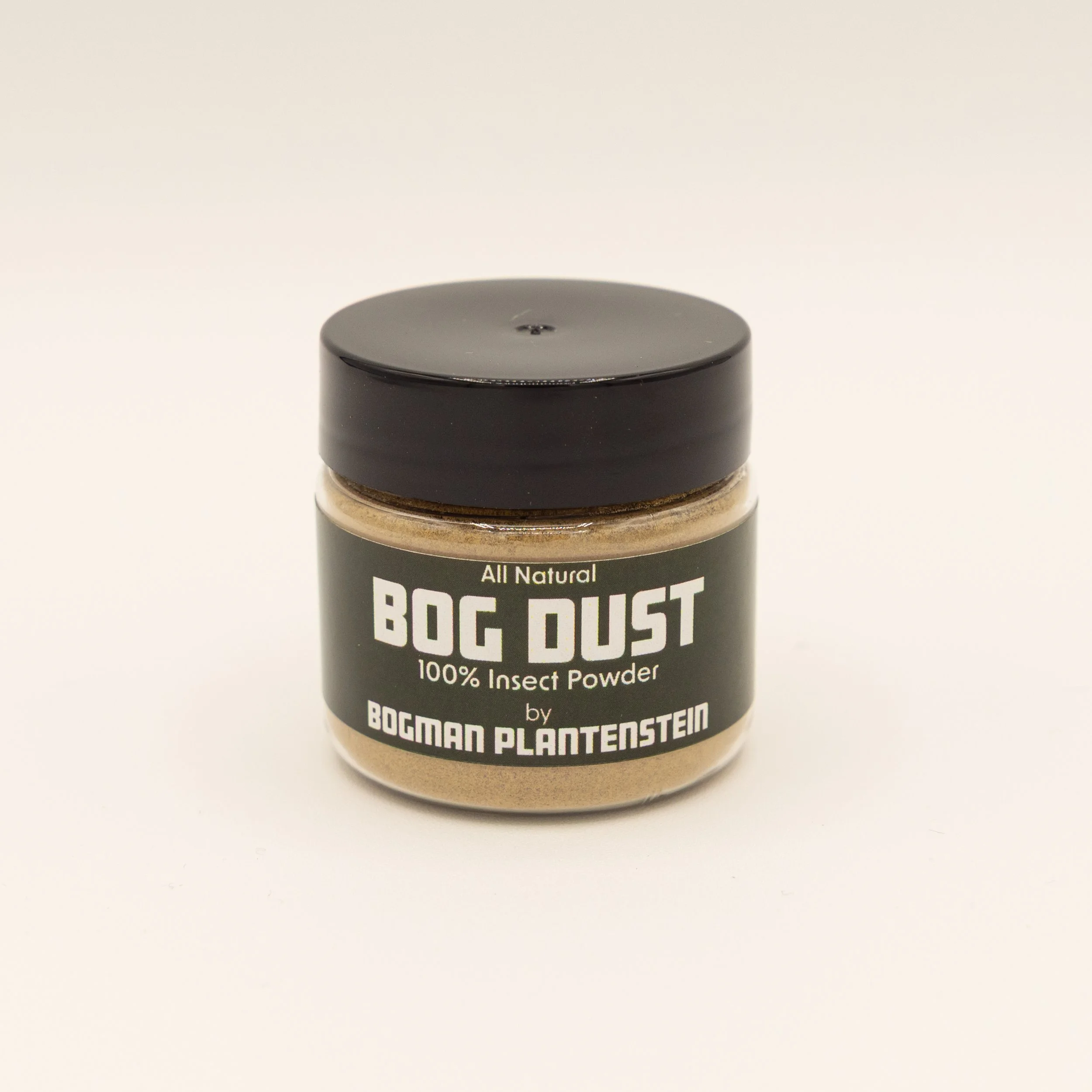
Feeding: Feed indoor traps with fresh/hydrated bugs or insect slurry every month or so. Traps will occasionally reopen from inanimate, dry food — to help the trap you can very gently squeeze it a little to help stimulate digestion. Wait until leaves are fully developed for at least few days before feeding. Feed 25-50% of mature traps at a time to stimulate fast growth. Outdoor plants generally catch enough flies on their own.
Detailed Growing Information
Description
Venus Flytraps (Dionaea muscipula) are the most famous carnivorous plant for good reason. They love to eat house flies but will gladly accept any insect that will fit in its traps. This is an incredible hybrid between “Aspera” and ‘B52’ that seems to have the best features of both, plus more intense coloration than either parent! “Aspera” is an intense, mutant flytrap with an abundance of scaly protrusions from the petiole. Of the scaly flytrap forms, “Aspera” might be the most extreme with leaves that are typically covered in these odd projections while also achieving larger traps than other similar forms. ‘B52’ is a classic, giant cultivar with some of the largest (and still fully functional) traps of all flytraps. The hybrid has large traps (I haven’t grow them to maximum size yet, but should be huge) that have the scaly petiole of “Aspera” with the vigorous growth of ‘B52’. The dark burgundy trap interiors are exceptional because they seem darker than either parent (they will darken fully after the trap fully develops). The exterior teeth grow very long and the traps can have some extra trigger hairs (inherited from “Aspera”). Though it has yet to reach full size for me, these seem to perfectly combine size, vigor, coloration, and mutant features. These could easily be my favorite flytraps.
Flytraps go through seasonal changes in growth. In spring they will flower and grow new traps that lay horizontally. For smaller plants, it can be helpful to cut off the flower stalk to save energy (the cut stalk can be planted in soil to grow a new plant). The flowers are white and require cross-pollination to produce seeds.
In summer, it will produce large traps on erect leaves sticking up in the air. At the end of fall, the plants will naturally go dormant if grown outdoors. Throughout winter they will slow growth and shrink in size until spring. If growing indoors, gradually adjust the photoperiod of your lights to around 9 hours in winter to induce dormancy.
Small plants will be roughly 1” in diameter with traps ~1/4”-3/8” long, potted in 2.5”W x 3.5”H pots.
Medium plants will be flowering size and roughly 1.5-2.5” in diameter with traps ~3/8”-1/2” long, potted in 2.5”W x 3.5”H pots.
Large plants will be >3” in diameter with traps ~3/4”-1” long, potted in 3.5”W x >4”H.
Note: Plants ordered in winter or early spring may still be coming out of dormancy and can appear slightly smaller. They will quickly grow many new, large leaves as spring progresses. If dormant, sizing is based on previous year summer size (plants will grow even larger in coming spring).
Growing Information
Climate: Adaptable to any mild climate. Temperatures between 32-100F are best. Moderate humidity is fine. Avoid growing in enclosed areas without airflow. Winter dormancy is necessary for long term health. Reduce photoperiod and give cooler temperatures.
Light: Full Sun or at least 20W per sq ft LED light. Venus flytraps love bright light and do best outdoors in full sun.
Water: Distilled or Reverse Osmosis water. Sitting in 0.5”-1” of water using tray method. Flytraps can tolerate moist to soggy conditions, but do not allow the soil to dry out.
Soil: 1 part peat: 1 part sand, or 1 part peat: 1 part perlite. Pure long-fibered sphagnum moss is also good. Rinse media with distilled or reverse osmosis water to remove excess salts.
Feeding: Feed indoor traps with fresh/hydrated bugs or insect slurry every month or so. Traps will occasionally reopen from inanimate, dry food — to help the trap you can very gently squeeze it a little to help stimulate digestion. Wait until leaves are fully developed for at least few days before feeding. Feed 25-50% of mature traps at a time to stimulate fast growth. Outdoor plants generally catch enough flies on their own.
Detailed Growing Information
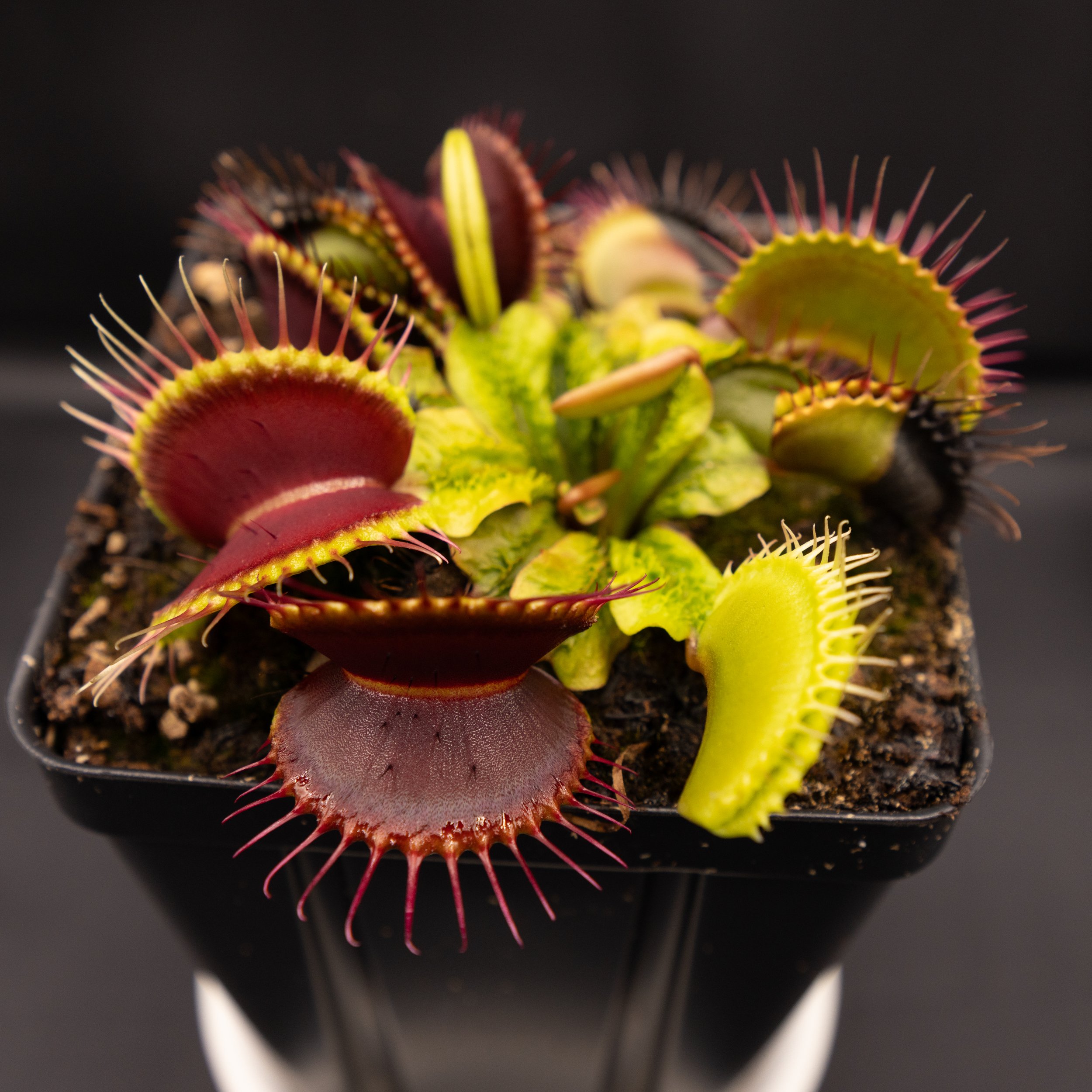 Image 1 of 7
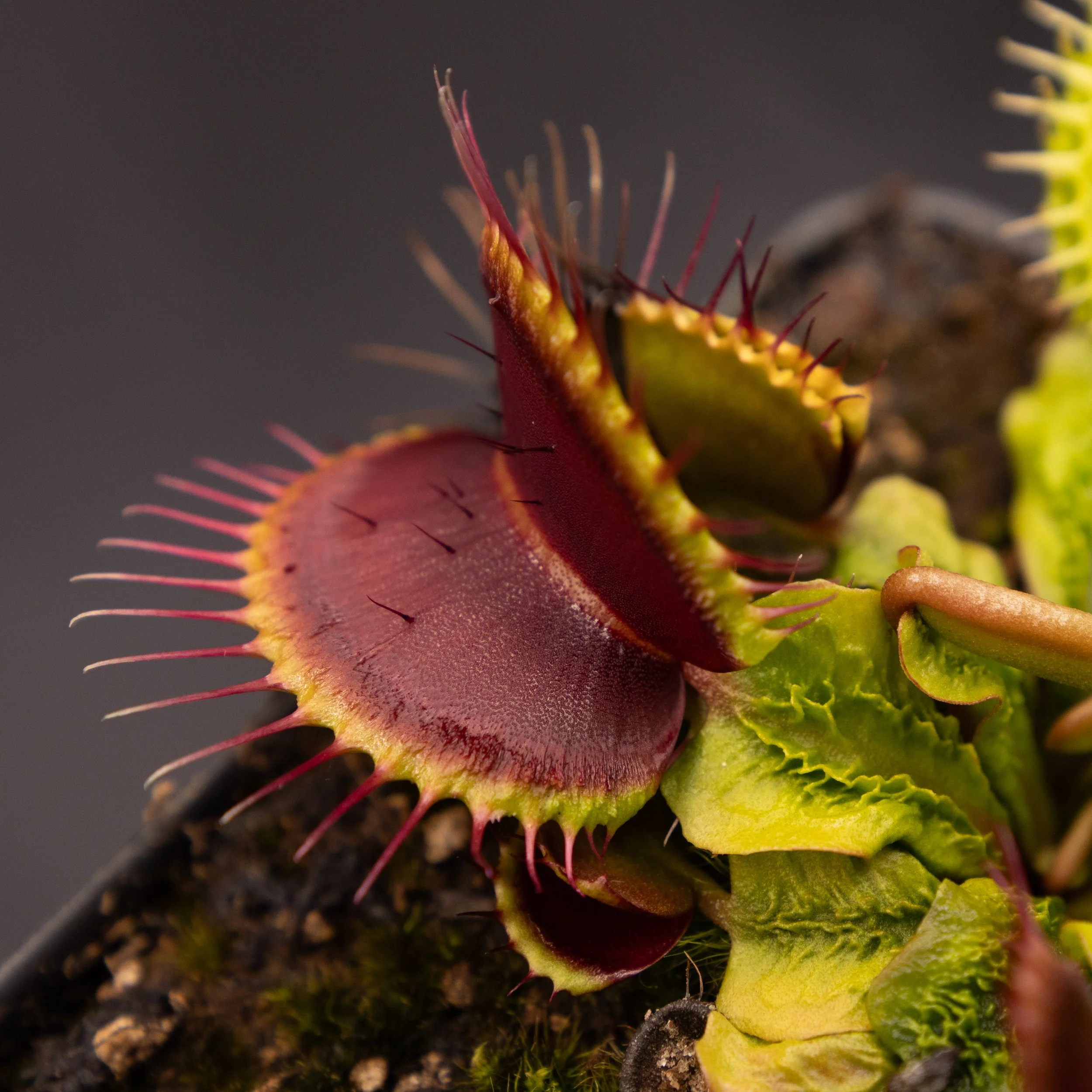 Image 2 of 7
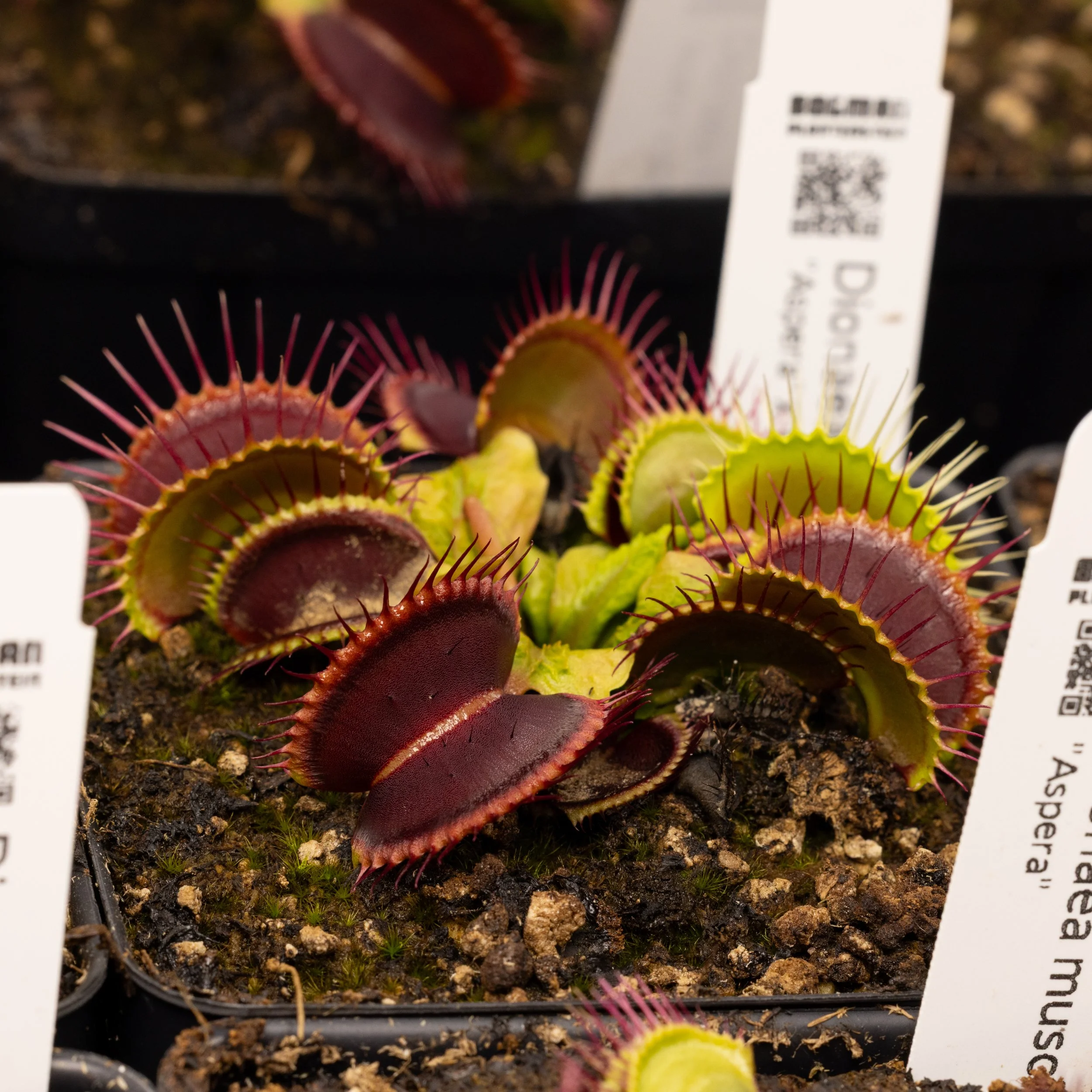 Image 3 of 7
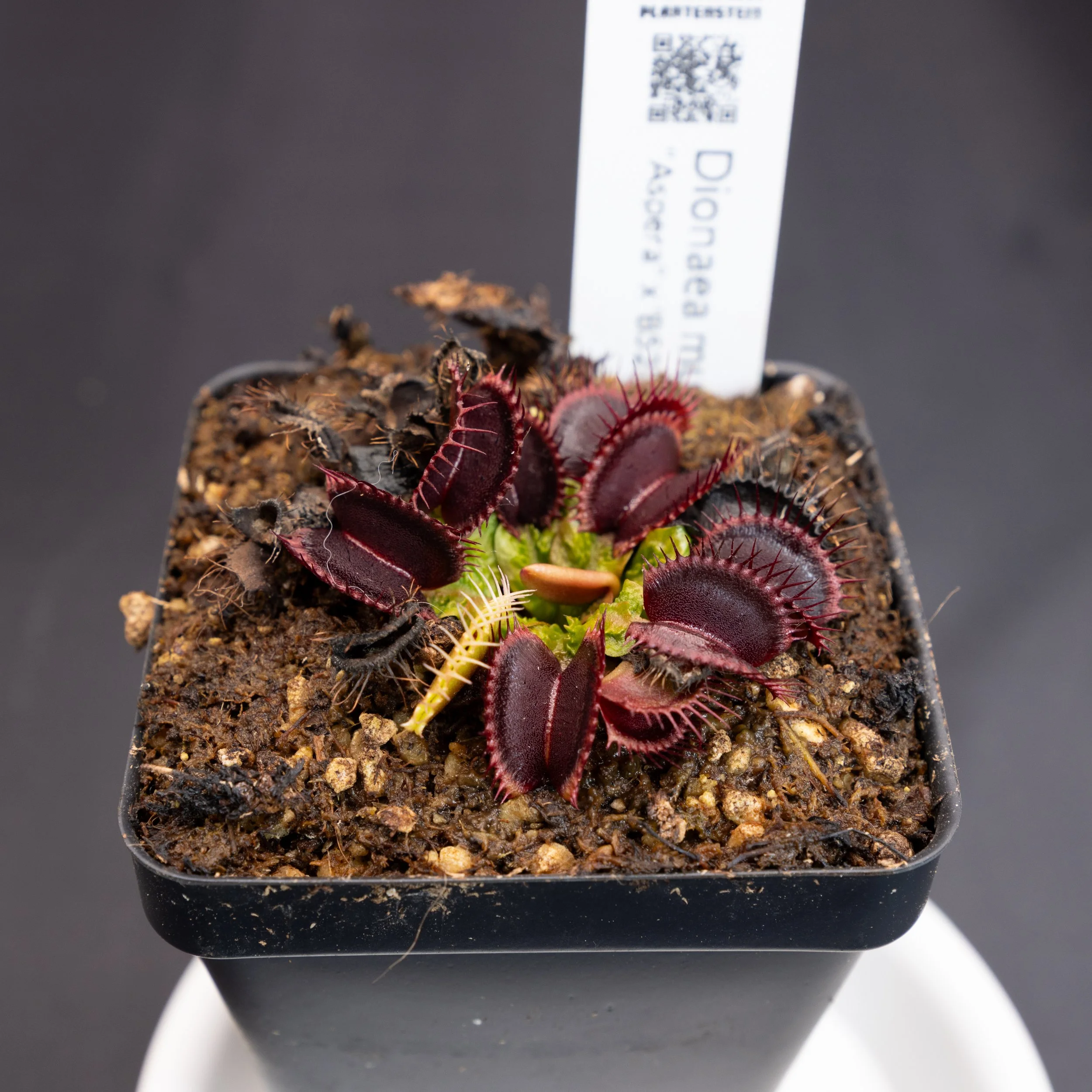 Image 4 of 7
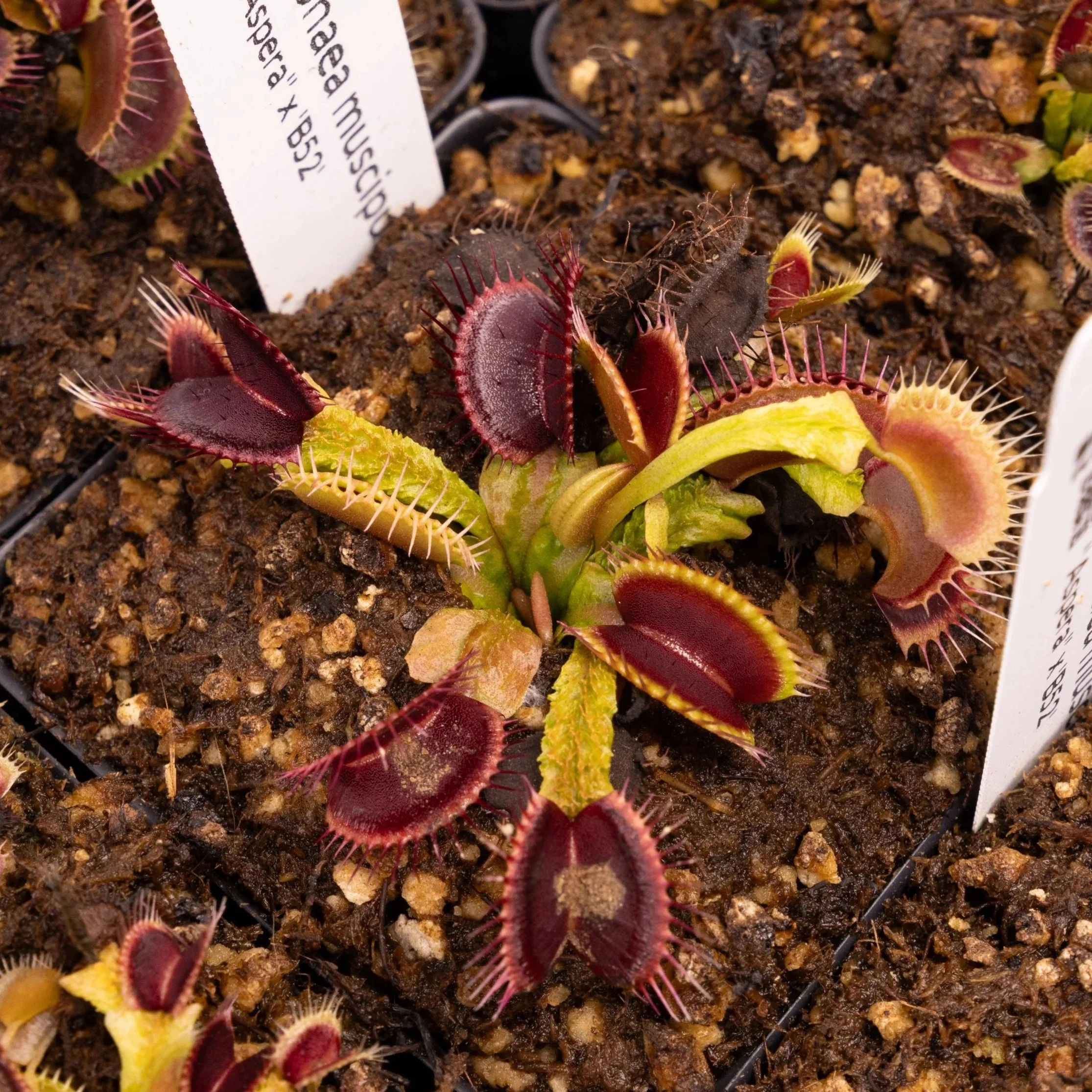 Image 5 of 7
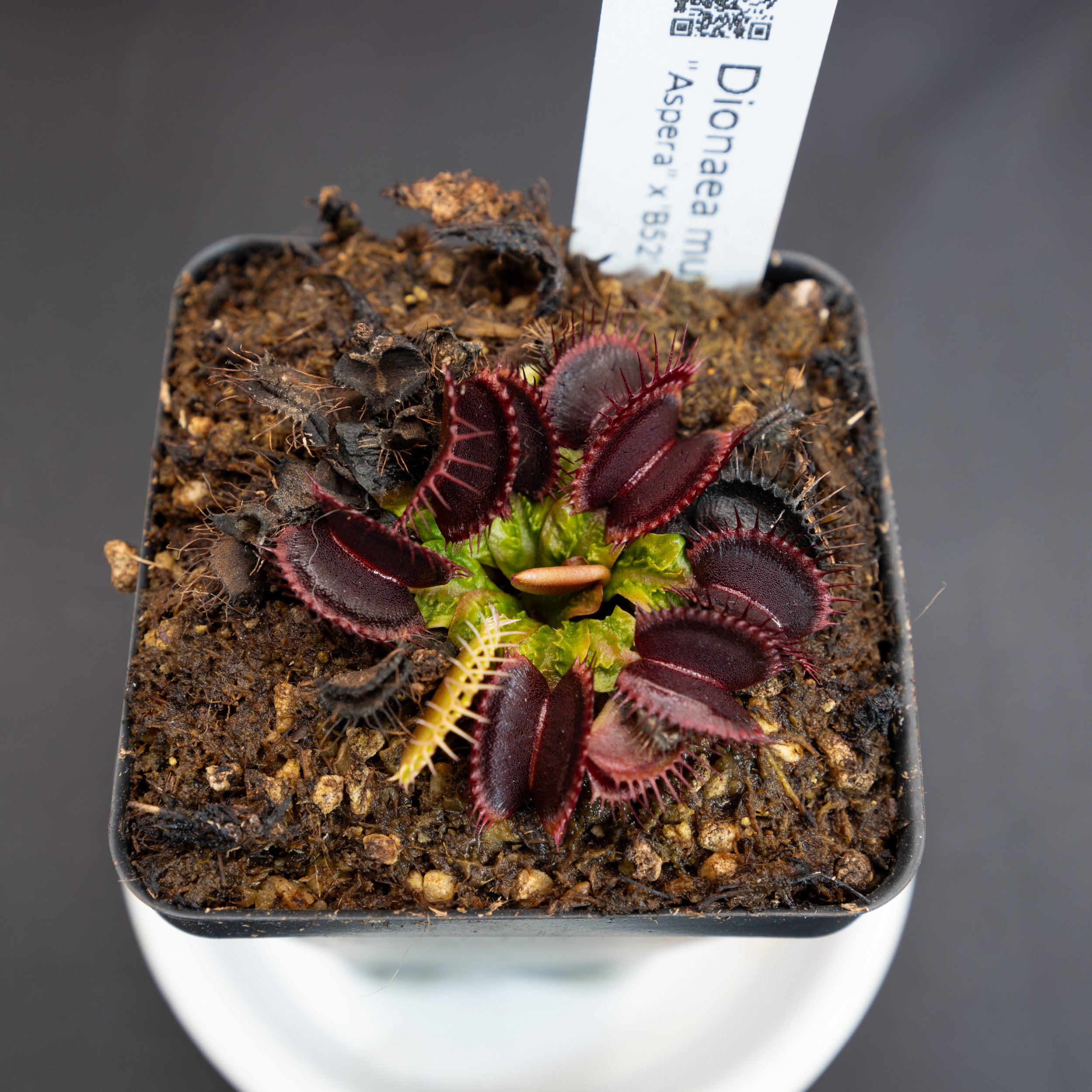 Image 6 of 7
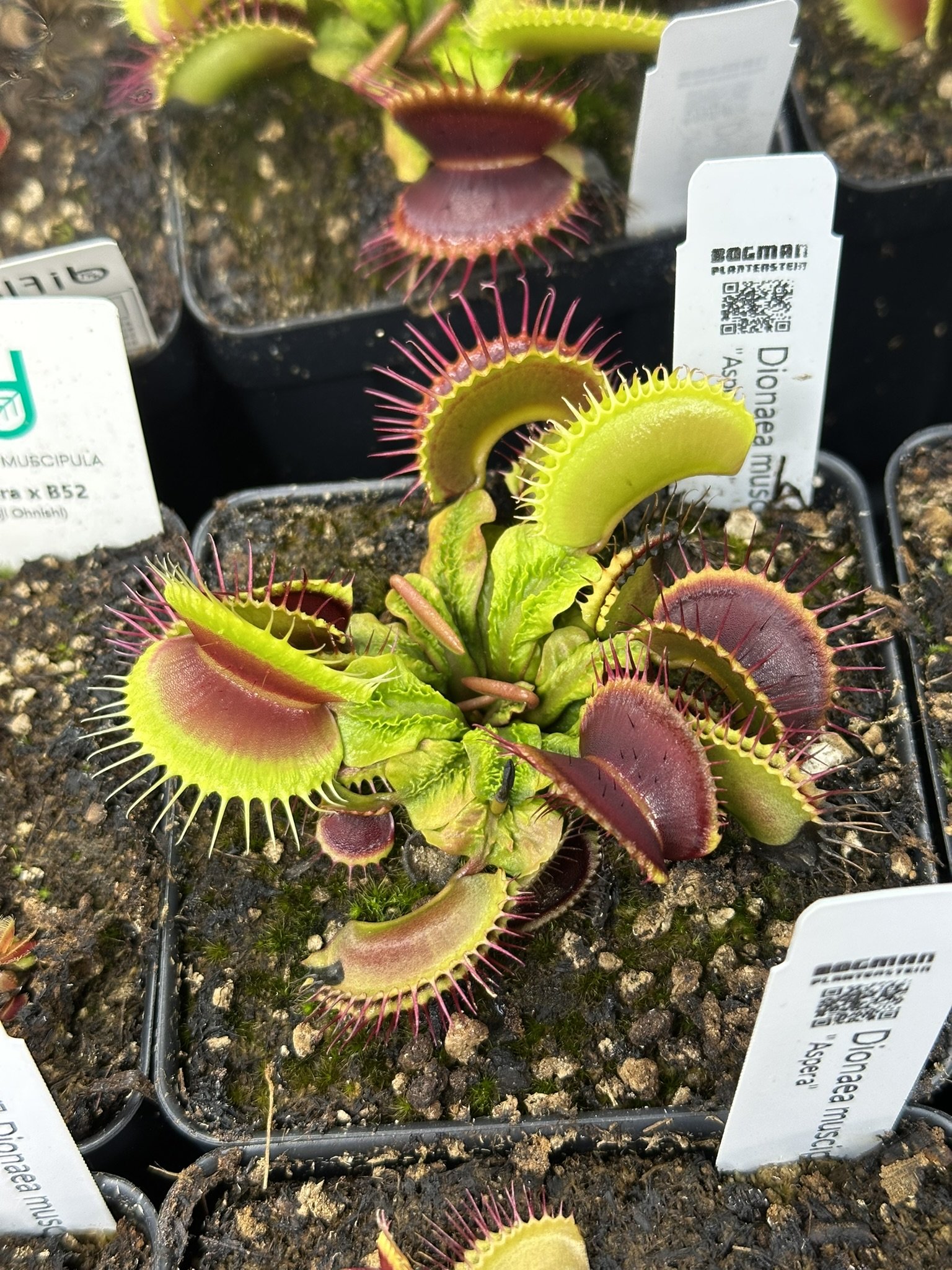 Image 7 of 7