Description
Utricularia blanchetii “pink flower” is a tropical bladderwort with beautiful displays of tall stalks of pink/light purple flowers with purple streaks and a yellow center. As a bladderwort, its carnivorous traps are subterranean, shaped like little bladders that use suction to inhale tiny prey. The leaves are very thin and a green to bluish-green color. This species will flower for most of the year and consistently has the most flowers of any bladderwort in my collection. A beautiful, versatile, and easy species to grow. This form is the rarer “pink flower” form compared to the more common white flower. Interestingly, the pink form is also fragrant with a lovely perfume that is noticeable when nearby, comparable to the scent of Tuberous Sundew flowers.
This species originates from Brazil and can grow in cool to warm conditions and is tolerant of moderate humidity. The thin, deep green leaves are short and curved, rapidly filling the surface of the pot.
Plant will come potted in a 2.5”x2.5”x3.5” pot. The plants may or may not be flowering when shipped (I will pack as carefully as possible to try to preserve any flowers). They will quickly grow to fill out the pot under good conditions.
WINTER SHIPPING: Cold winter temperatures (<40F) require heat packs which will be automatically included with the shipment if necessary.
Growing Information
Climate: Temperatures of 60-95F at all humidity levels.
Light: Part Sun or at least 10W-15W per sq ft LED light. This species can tolerate brighter light and seems to be fine.
Water: Distilled or Reverse Osmosis water. Keep the soil constantly wet and do not allow it to dry out. This species does best for me with good drainage and shallow trays.
Soil: 50% Peat Moss: 50% Sand/Perlite. Rinse media with distilled or reverse osmosis water to remove excess salts.
Feeding: Feed with MaxSea fertilizer diluted to 1/4 tsp per gallon (or roughly 200-400ppm) every month. Lightly spray the leaves but do not overfeed, especially in undrained containers. A 100ppm solution can be watered into the top layer of soil as well.
Description
Utricularia blanchetii “pink flower” is a tropical bladderwort with beautiful displays of tall stalks of pink/light purple flowers with purple streaks and a yellow center. As a bladderwort, its carnivorous traps are subterranean, shaped like little bladders that use suction to inhale tiny prey. The leaves are very thin and a green to bluish-green color. This species will flower for most of the year and consistently has the most flowers of any bladderwort in my collection. A beautiful, versatile, and easy species to grow. This form is the rarer “pink flower” form compared to the more common white flower. Interestingly, the pink form is also fragrant with a lovely perfume that is noticeable when nearby, comparable to the scent of Tuberous Sundew flowers.
This species originates from Brazil and can grow in cool to warm conditions and is tolerant of moderate humidity. The thin, deep green leaves are short and curved, rapidly filling the surface of the pot.
Plant will come potted in a 2.5”x2.5”x3.5” pot. The plants may or may not be flowering when shipped (I will pack as carefully as possible to try to preserve any flowers). They will quickly grow to fill out the pot under good conditions.
WINTER SHIPPING: Cold winter temperatures (<40F) require heat packs which will be automatically included with the shipment if necessary.
Growing Information
Climate: Temperatures of 60-95F at all humidity levels.
Light: Part Sun or at least 10W-15W per sq ft LED light. This species can tolerate brighter light and seems to be fine.
Water: Distilled or Reverse Osmosis water. Keep the soil constantly wet and do not allow it to dry out. This species does best for me with good drainage and shallow trays.
Soil: 50% Peat Moss: 50% Sand/Perlite. Rinse media with distilled or reverse osmosis water to remove excess salts.
Feeding: Feed with MaxSea fertilizer diluted to 1/4 tsp per gallon (or roughly 200-400ppm) every month. Lightly spray the leaves but do not overfeed, especially in undrained containers. A 100ppm solution can be watered into the top layer of soil as well.
 Image 1 of 7
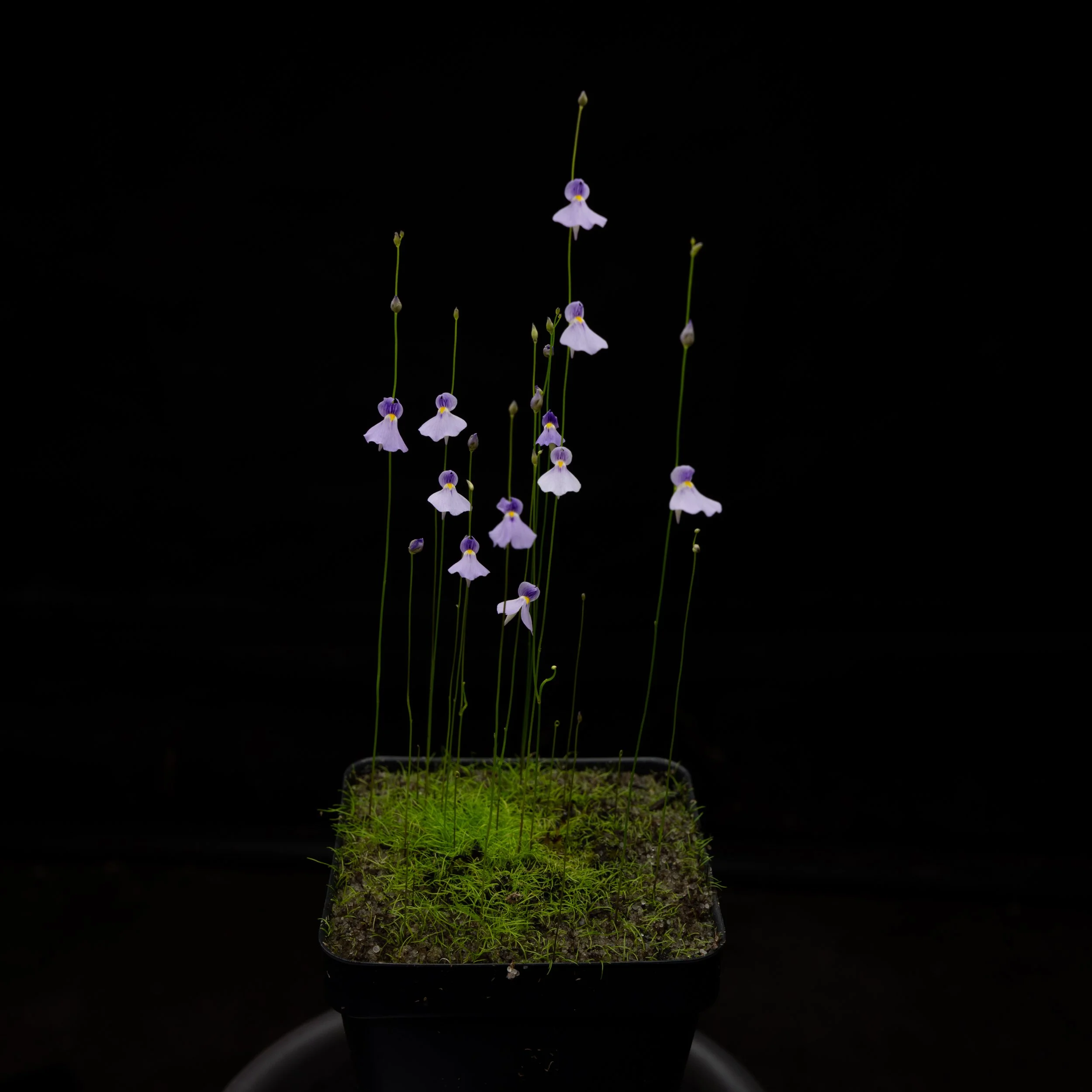 Image 2 of 7
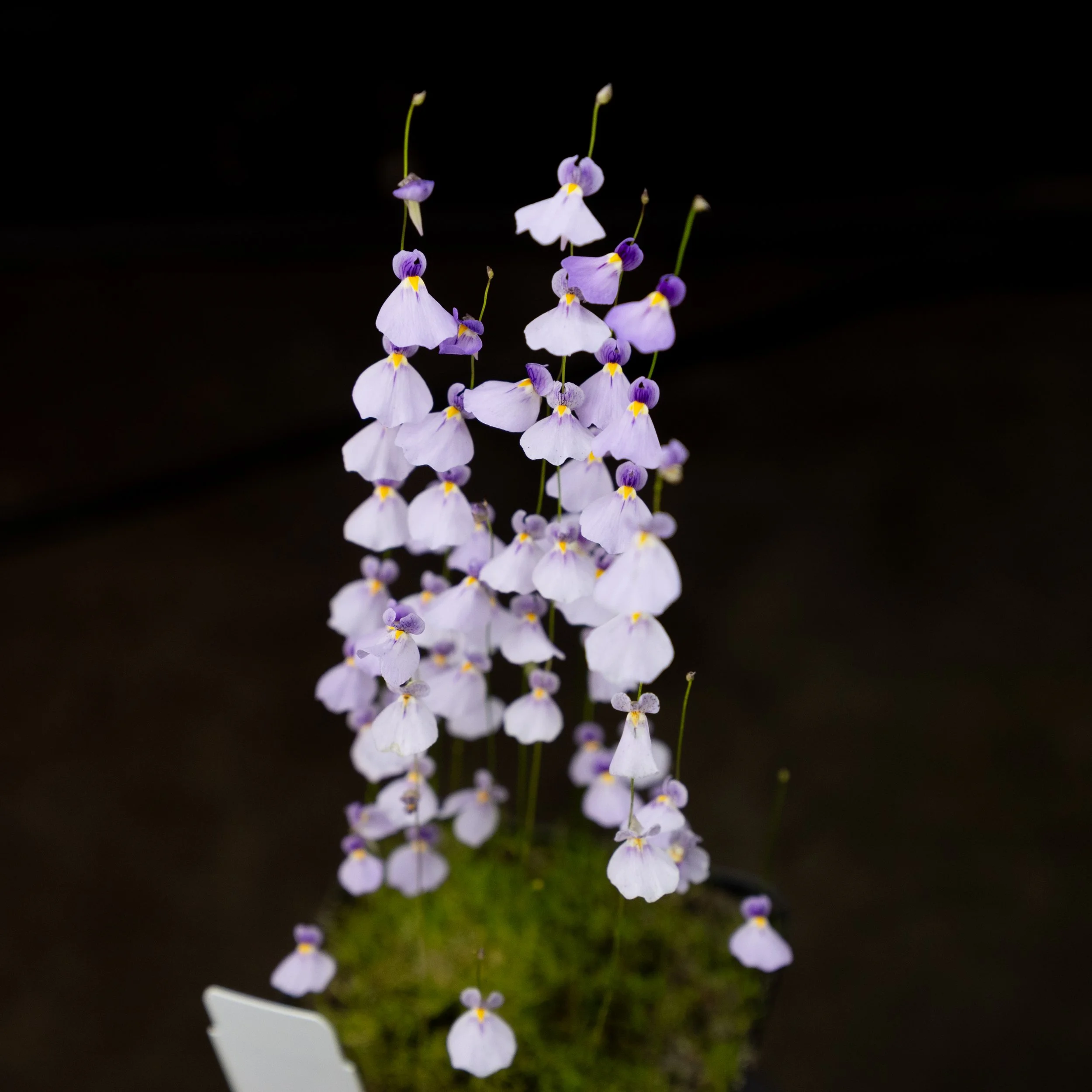 Image 3 of 7
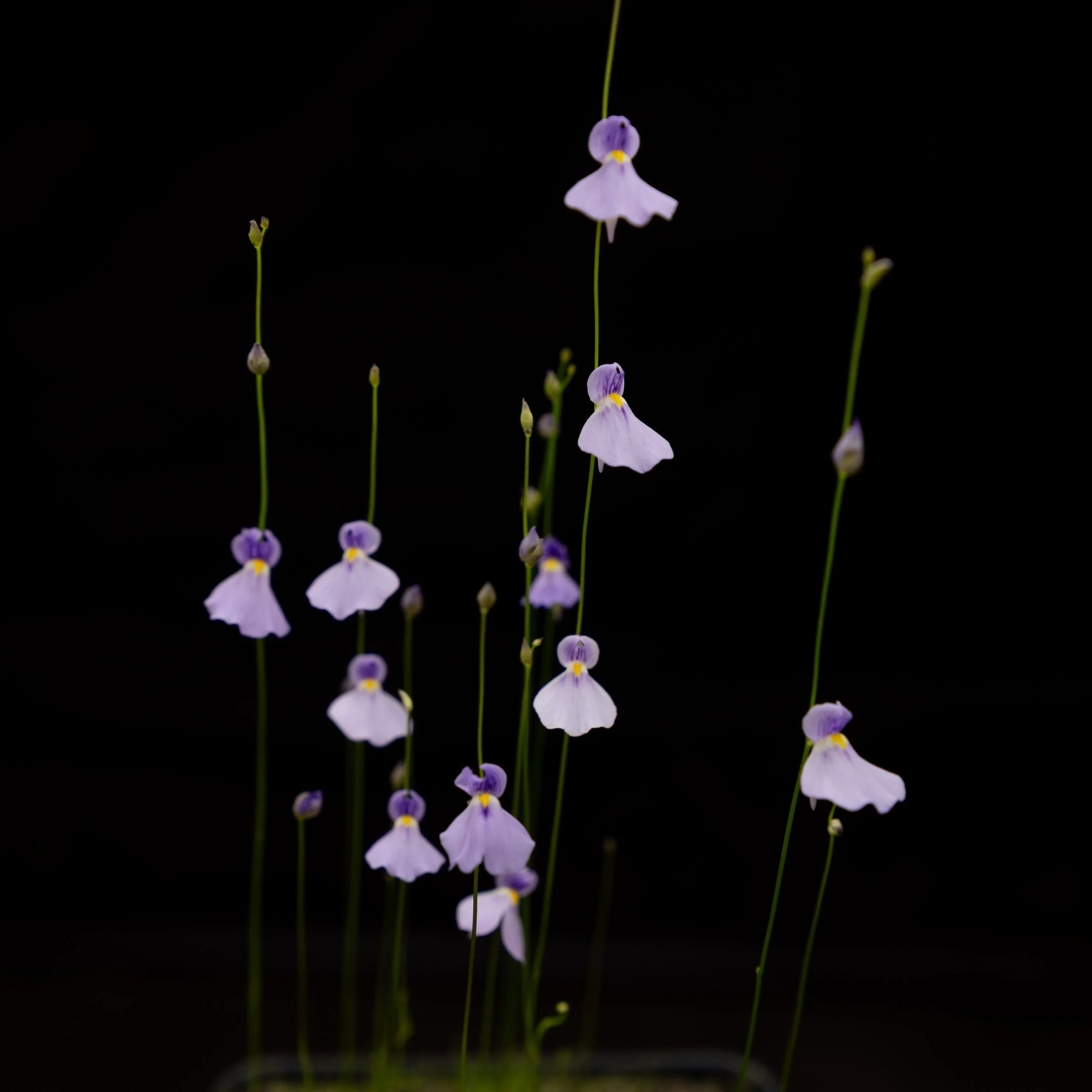 Image 4 of 7
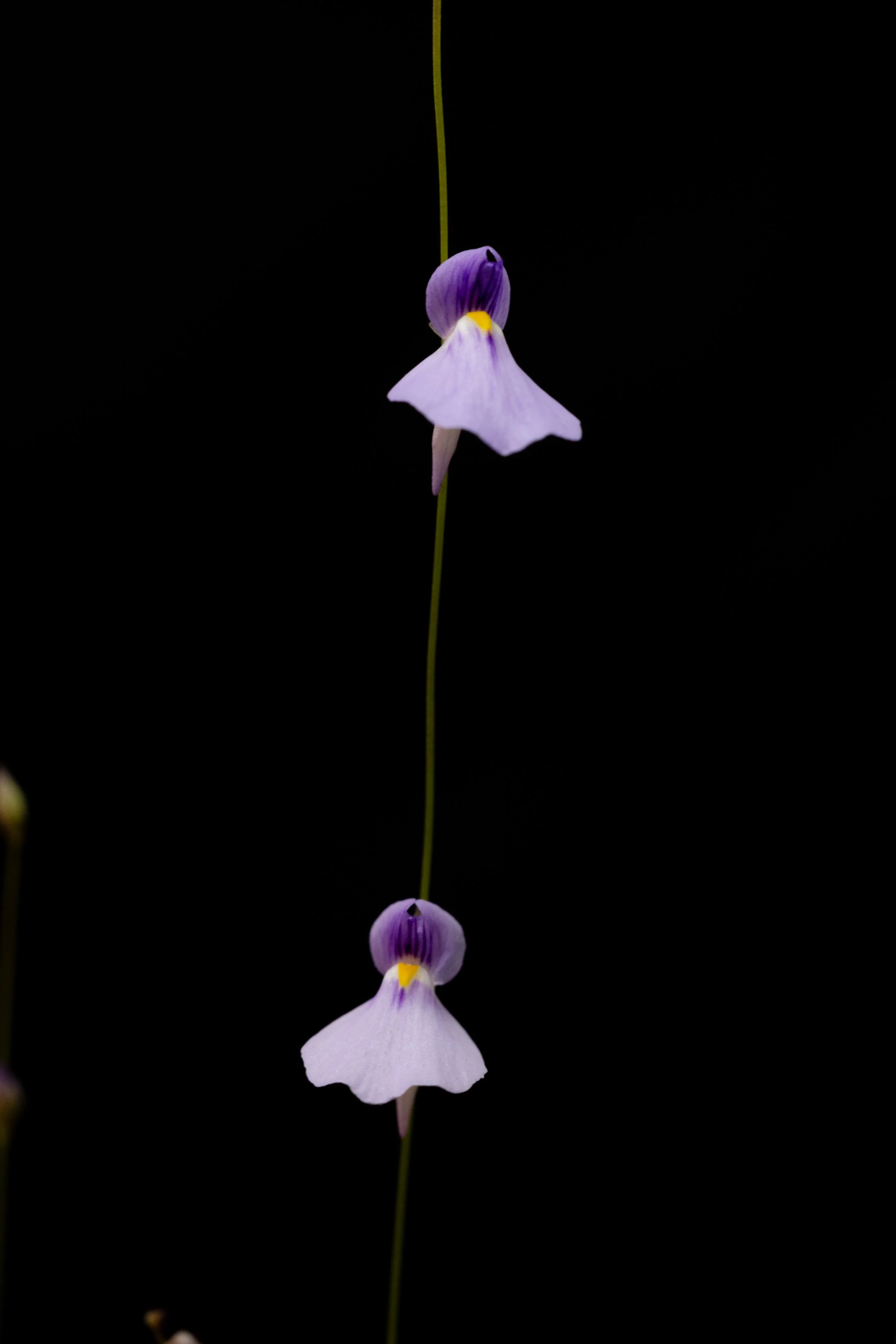 Image 5 of 7
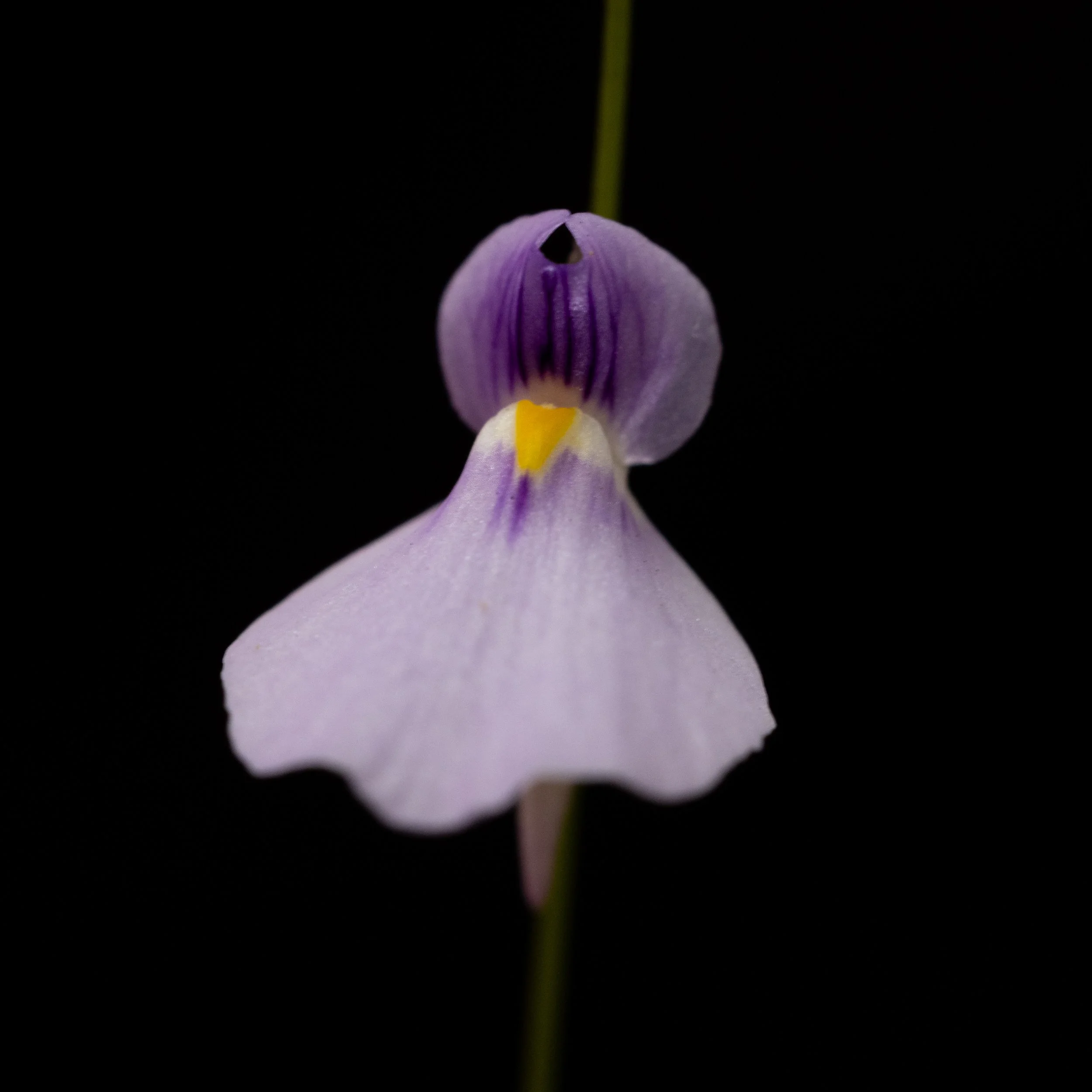 Image 6 of 7
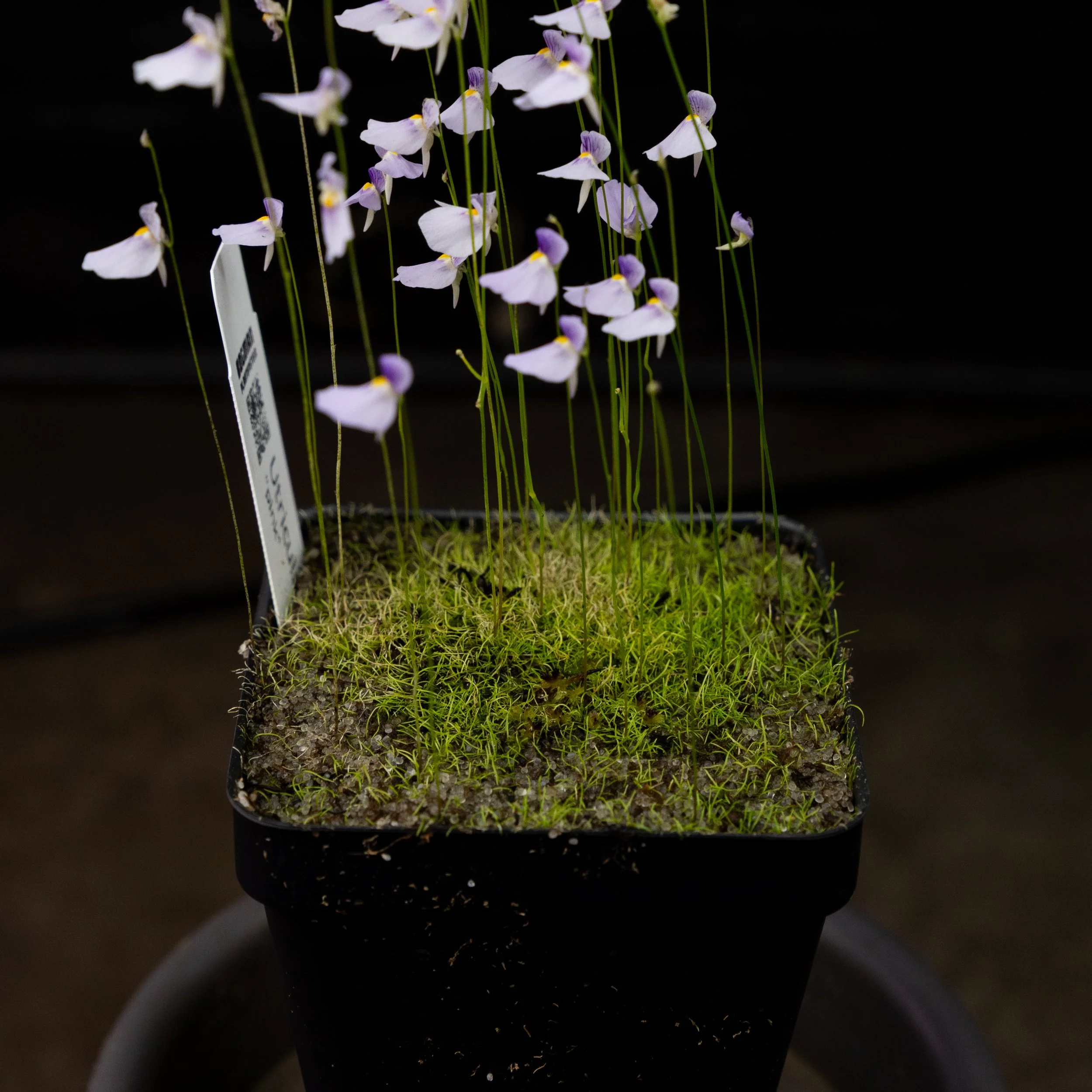 Image 7 of 7