 Image 1 of 3
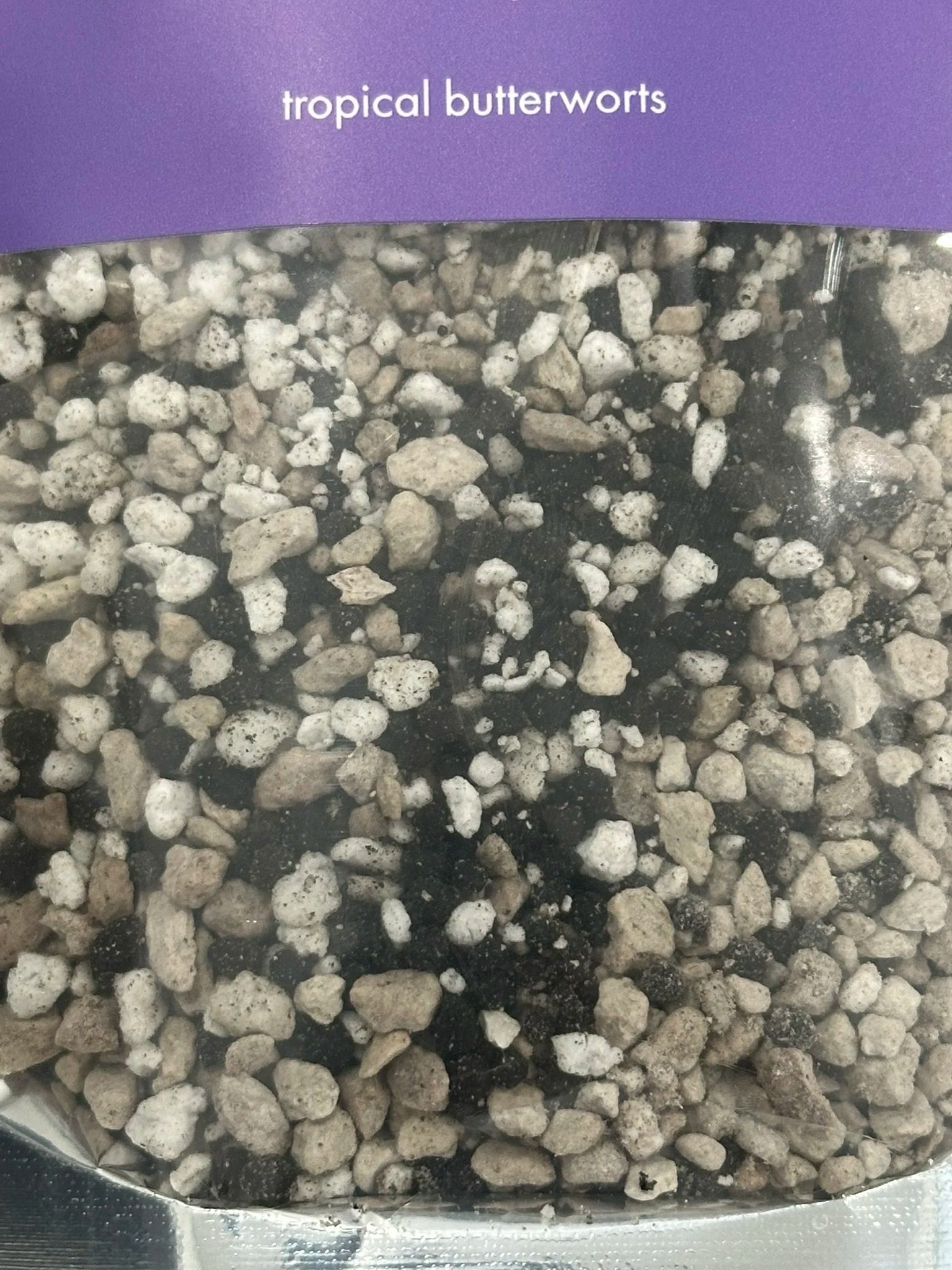 Image 2 of 3
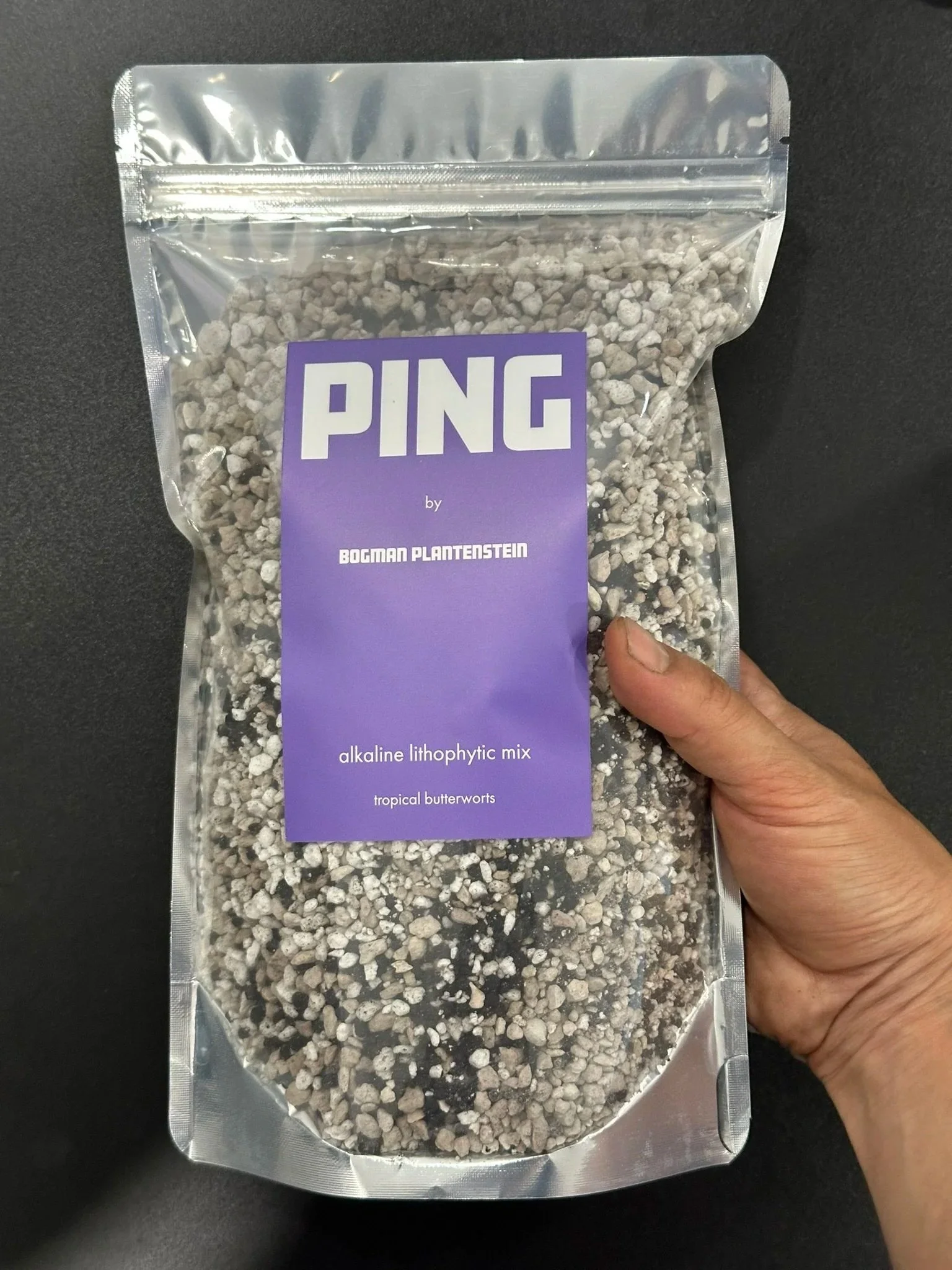 Image 3 of 3
The most challenging part of growing Tropical Pinguicula is the soil mix and moisture. They are primarily cliff- or slope-dwelling plants that have good drainage and moist (not wet) soil. Most species are adapted to a dry winter dormancy when they will experience very little moisture for months at a time. Because of these conditions, they prefer a different soil mix than other carnivorous plants, especially compared to bog species. The most common issues with these Pinguicula are crown rot from overly wet conditions. To solve this, I experimented with countless soil components and ratios. While many growers will use a mixes that contain peat, I find that this substantially increases the risk of rot when overwatered. Peat-containing mixes require very precise water and moisture management. I created a mix that cannot be overwatered, and is far easier to use because it works with tray water and the pots can be left sitting in water all the time. Other mixes with peat, sand, or other small water wicking particles will stay too wet and promote rot unless watered extremely carefully.
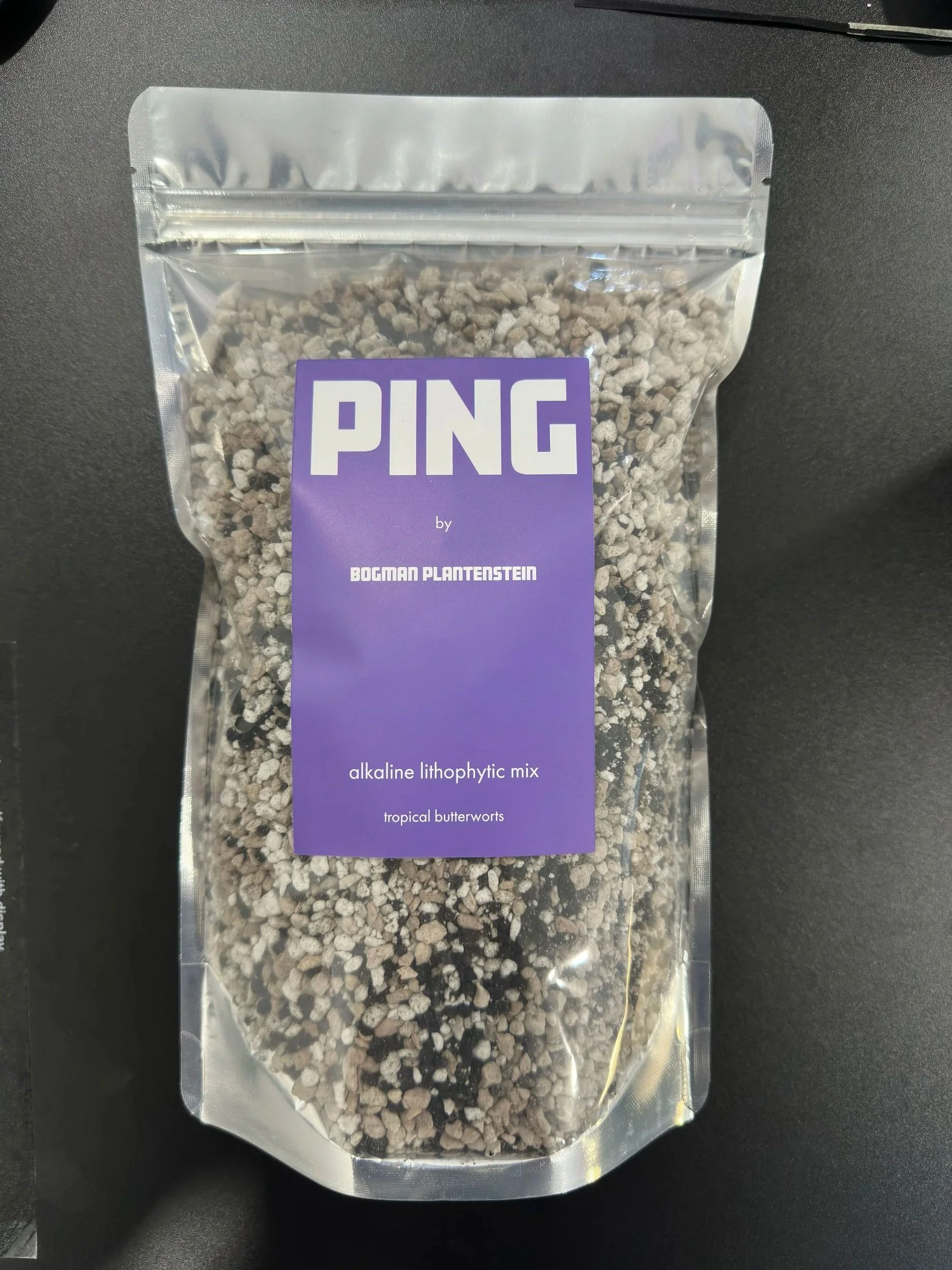
This is a mix of perlite, volcanic clay granules, and pumice. Tropical Pinguicula want a well-draining, airy soil that can retain moisture without becoming soggy. This mix retains air gaps while effectively wicking and retaining moisture. The volcanic clay granules contain some root nutrients as well as distributing moisture throughout the mix. I use this with the tray method, sitting pots in roughly 0.5-1” of water around 2-3” below the surface of the pot. The porous nature of the material will maintain consistent moisture levels without becoming overly soggy. The volcanic granules also provide mineral nutrients to Pinguicula while the vermiculite offers some alkalinity.
This soil mix can be used with most Tropical Pinguicula (also called Mexican Pinguicula though they are found in additional Central American countries). Species that prefer a different mix will be noted on their specific page. The ideal mix will depend on the exact environmental conditions — while this mix will work for the majority of growers, it can also be slightly modified through addition of other components if your conditions are different.
One quart of this mix can fill approximate 4 of the standard 2.5”W x 3.5”H nursery pots. The bottom half of the pots can also be filled with coarse perlite to double the usage of the specialized Ping mix.