Description
Drosera natalensis is a nice rosetted sundew with colorful and numerous leaves. They grow to around 1.5” in diameter and in bright light can turn a pink-orange-olive color combination (or all the way to red in very bright light). The pink flowers readily self-pollinate to produce massive quantities of easy to germinate seed. An easy and cute species for any collection.
The native range extends from South Africa, Lesotho, Eswatini, Mozambique, Zimbabwe, and Madagascar where it grows primarily in wet, peaty soils. Because of this wide geographic range, there is significant phenotypic variability.
Packs will have 30+ seeds.
Growing Information
Climate: Temperatures from 40-95F, all humidity levels.
Light: Part to Full Sun or 20W per sq ft LED light.
Water: Distilled or Reverse Osmosis water. Sitting in 0.5”-1” of water using tray method. Only use distilled, reverse osmosis, or rainwater because tap water is toxic to carnivorous plants due to high mineral content and chlorine.
Soil: 50% Peat Moss: 50% Perlite/Sand. Rinse media with distilled or reverse osmosis water to remove excess salts.
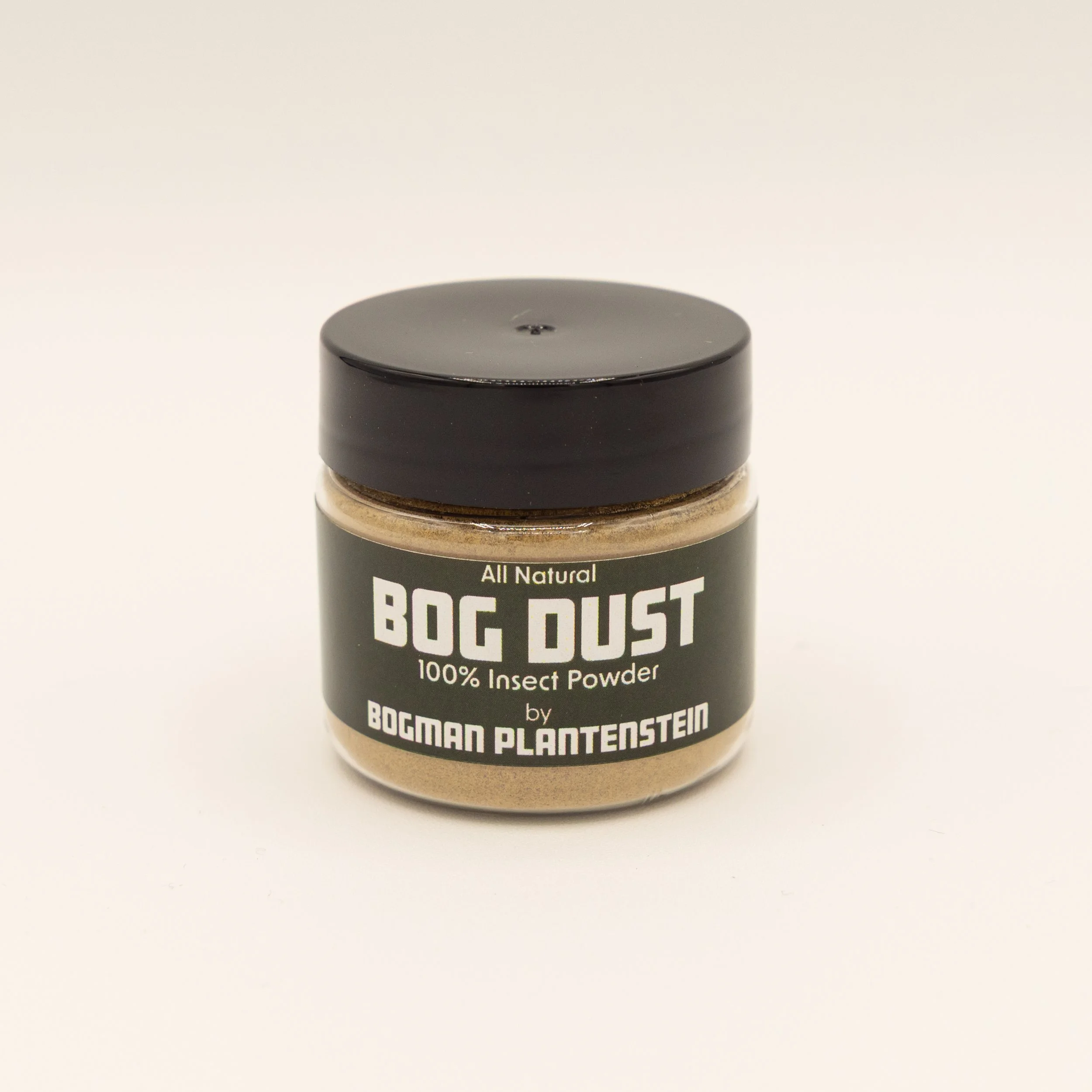
Feeding: Feed leaves with Insect Powder every month or so.
Description
Drosera natalensis is a nice rosetted sundew with colorful and numerous leaves. They grow to around 1.5” in diameter and in bright light can turn a pink-orange-olive color combination (or all the way to red in very bright light). The pink flowers readily self-pollinate to produce massive quantities of easy to germinate seed. An easy and cute species for any collection.
The native range extends from South Africa, Lesotho, Eswatini, Mozambique, Zimbabwe, and Madagascar where it grows primarily in wet, peaty soils. Because of this wide geographic range, there is significant phenotypic variability.
Packs will have 30+ seeds.
Growing Information
Climate: Temperatures from 40-95F, all humidity levels.
Light: Part to Full Sun or 20W per sq ft LED light.
Water: Distilled or Reverse Osmosis water. Sitting in 0.5”-1” of water using tray method. Only use distilled, reverse osmosis, or rainwater because tap water is toxic to carnivorous plants due to high mineral content and chlorine.
Soil: 50% Peat Moss: 50% Perlite/Sand. Rinse media with distilled or reverse osmosis water to remove excess salts.
Feeding: Feed leaves with Insect Powder every month or so.
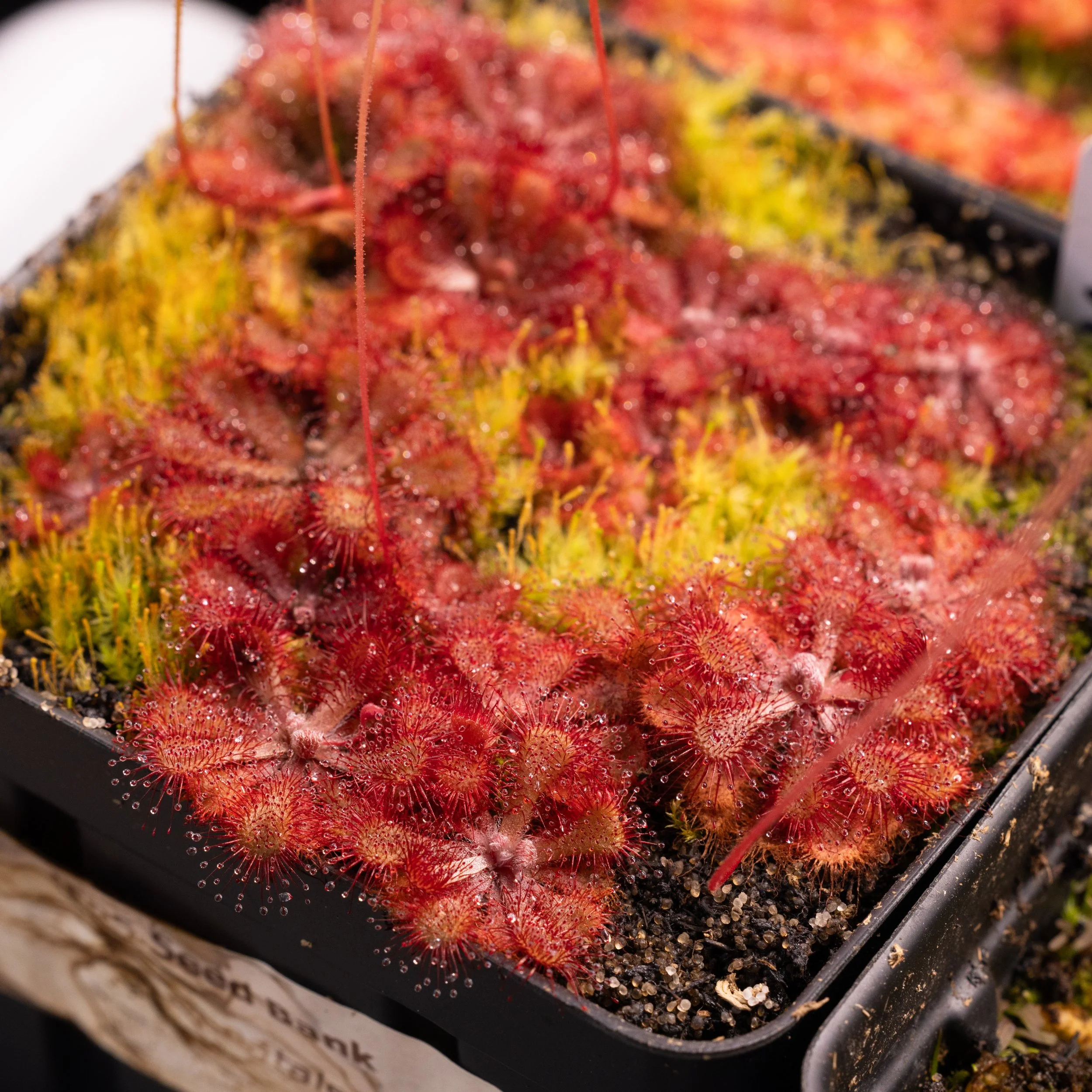 Image 1 of 3
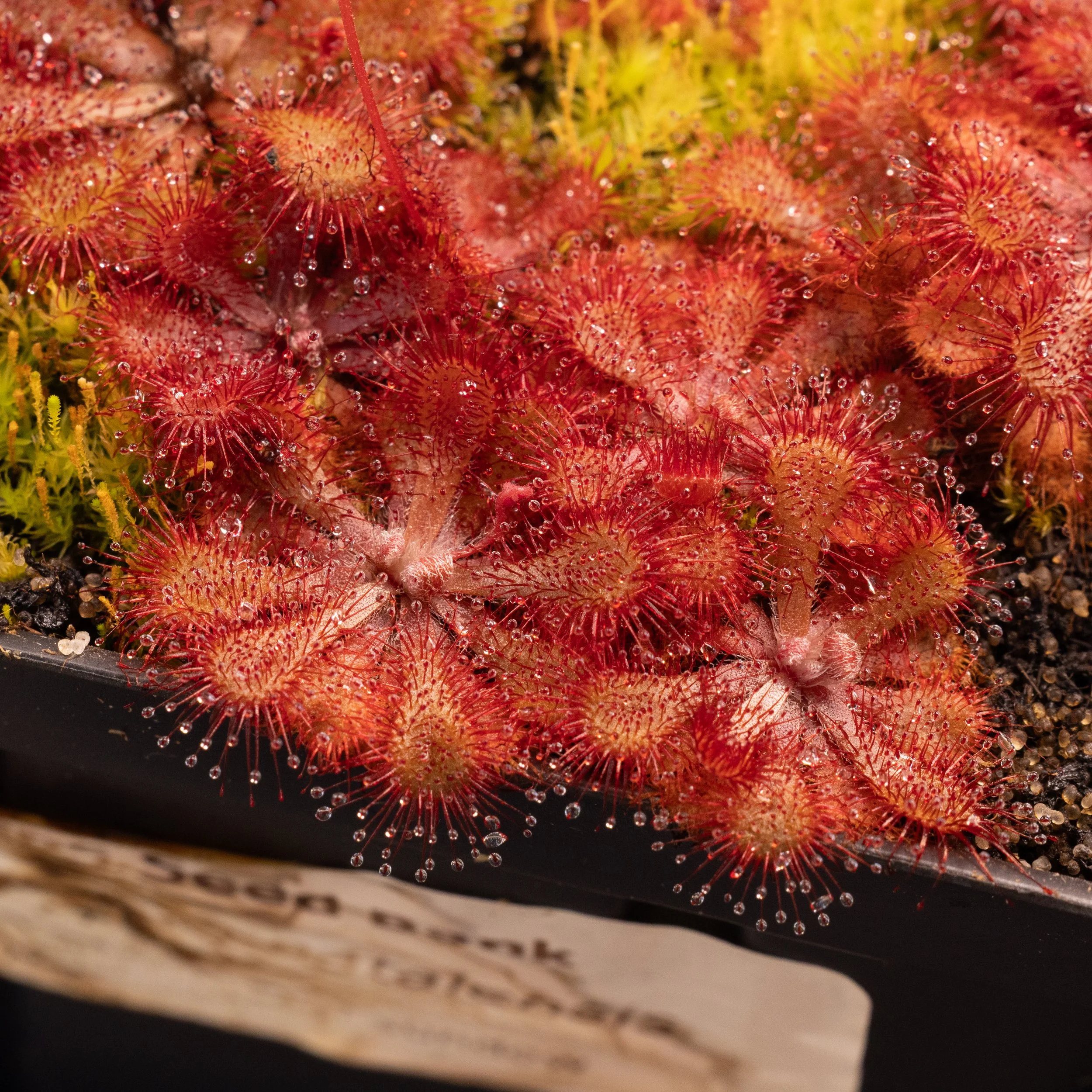 Image 2 of 3
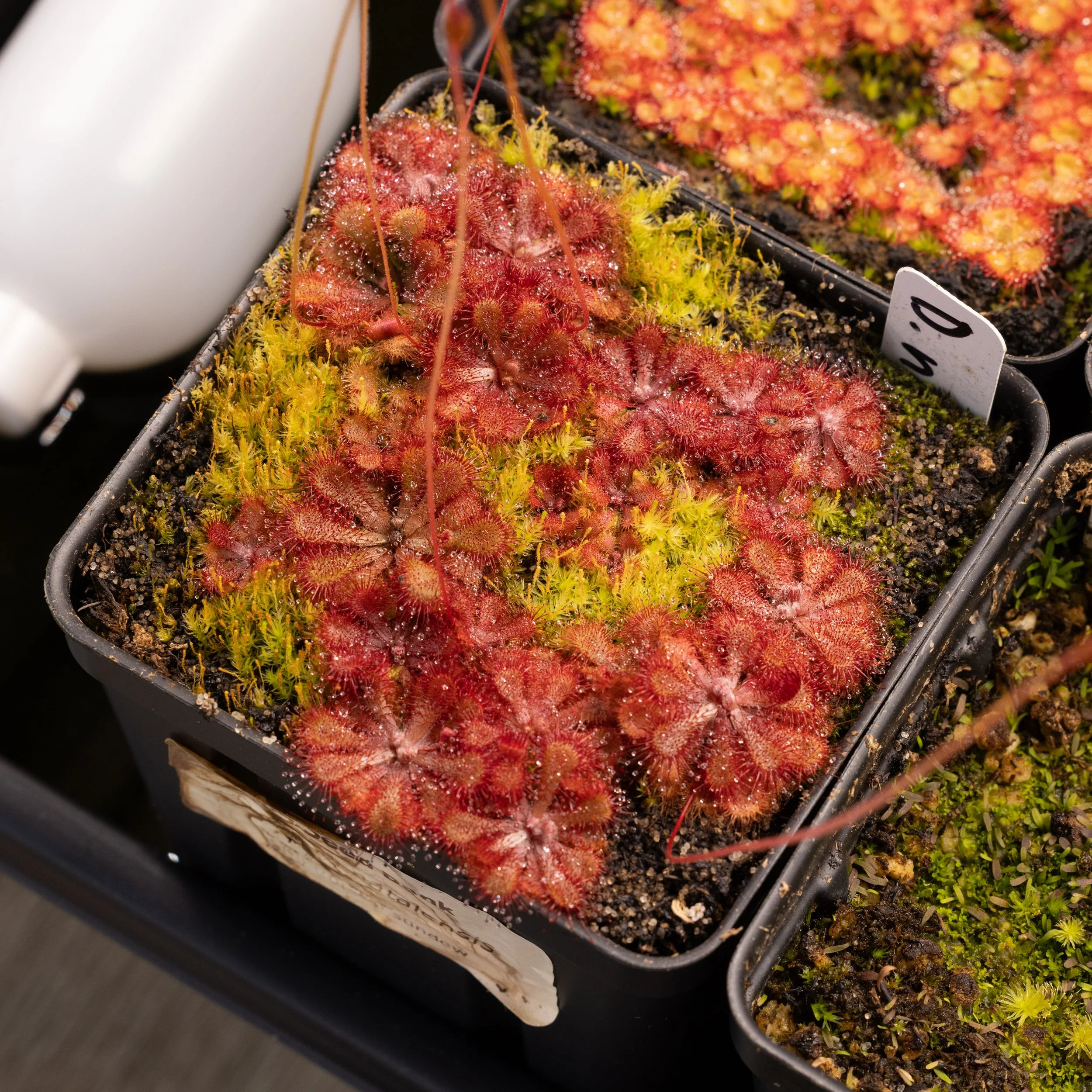 Image 3 of 3