Description
Drosera menziesii is an an especially beautiful, stem-forming Tuberous Sundew renowned for its huge pink flowers. It grows tall vertical stems lined with numerous circular, dewy leaves. In strong light, it will grow a reddish-orange color. Once a mature plant grows 8-16” tall, it will produce pink flowers that are roughly 1” in diameter. The stem will initially have alternating leaves on longer petioles, but as the season continues, it can grow secondary leaves on short petioles at the axil. Seedlings will produce a rosette of flat leaves instead of a climbing stem, but matures plants will emerge from dormancy with only a stem. There are two different clones in my collection — one with wider petals, and one with taller, redder stems and slightly narrower, convex petals.
Tuberous sundews come from Western Australia and grow during the cool and wet winters, dying back to underground tubers in the hot and dry summers. In around October-November, the tuber will send up a thin stem that emerges at the surface with a bud of new leaves, creating a fresh rosette in about a week. The plant needs to be fed to store energy in its tuber until the required summer dormancy. The leaves/stem turn brown and die when the rains stop and the soil dries out by around May. The dark and cool conditions a few inches under the soil allow the plants to survive the brutally hot summers.
While they are the most beautiful of all the Sundews, tuberous sundews are also the most challenging to grow. Their seasonal requirements are strictly necessary and managing proper moisture through the dormancy period is critical. Unlike most bog plants, these prefer better drainage and slightly drier soils. Experience with other sundews is highly recommended before trying Tuberous Sundews.
This listing is for a single tuber — roughly 2-4mm in diameter. These will likely take another year before flowering, but will still form beautiful vertical stems. They can have a small stem already pre-empting the growing season which should be handled carefully and planted facing up. Plant these ~2” deep and keep dry until roughly September-October. The tubers can be stored cool, dry, and dark during summer but must be planted before the growing season.
NOTE: These are for experienced growers. Live arrival is guaranteed but everything afterwards is the grower’s responsibility. If there are any issues from shipping, message me immediately with photos.
Growing Information
Climate: Mediterranean (SW Australia). 40-80F, low to moderate humidity. High temperatures can cause the plants to prematurely go dormant.
Light: Full to Part Sun or 15W per sq ft LED light. Tuberous sundews love bright light but do not require as much as other sundews (winter sun is less intense).
Water: Distilled or Reverse Osmosis water. Sitting in ~0.5” of water using tray method, depending on pot height. Do not allow them to dry out during the growing season as this can induce dormancy.
Soil: 30% Peat: 70% Perlite/Sand is a good mix. Tuberous Sundews like well draining soils and less moisture than bog plants. Rinse media with distilled or reverse osmosis water to remove excess salts.
Feeding: Feed leaves with Bog Dust or Insect Powder every month or so.
Description
Drosera menziesii is an an especially beautiful, stem-forming Tuberous Sundew renowned for its huge pink flowers. It grows tall vertical stems lined with numerous circular, dewy leaves. In strong light, it will grow a reddish-orange color. Once a mature plant grows 8-16” tall, it will produce pink flowers that are roughly 1” in diameter. The stem will initially have alternating leaves on longer petioles, but as the season continues, it can grow secondary leaves on short petioles at the axil. Seedlings will produce a rosette of flat leaves instead of a climbing stem, but matures plants will emerge from dormancy with only a stem. There are two different clones in my collection — one with wider petals, and one with taller, redder stems and slightly narrower, convex petals.
Tuberous sundews come from Western Australia and grow during the cool and wet winters, dying back to underground tubers in the hot and dry summers. In around October-November, the tuber will send up a thin stem that emerges at the surface with a bud of new leaves, creating a fresh rosette in about a week. The plant needs to be fed to store energy in its tuber until the required summer dormancy. The leaves/stem turn brown and die when the rains stop and the soil dries out by around May. The dark and cool conditions a few inches under the soil allow the plants to survive the brutally hot summers.
While they are the most beautiful of all the Sundews, tuberous sundews are also the most challenging to grow. Their seasonal requirements are strictly necessary and managing proper moisture through the dormancy period is critical. Unlike most bog plants, these prefer better drainage and slightly drier soils. Experience with other sundews is highly recommended before trying Tuberous Sundews.
This listing is for a single tuber — roughly 2-4mm in diameter. These will likely take another year before flowering, but will still form beautiful vertical stems. They can have a small stem already pre-empting the growing season which should be handled carefully and planted facing up. Plant these ~2” deep and keep dry until roughly September-October. The tubers can be stored cool, dry, and dark during summer but must be planted before the growing season.
NOTE: These are for experienced growers. Live arrival is guaranteed but everything afterwards is the grower’s responsibility. If there are any issues from shipping, message me immediately with photos.
Growing Information
Climate: Mediterranean (SW Australia). 40-80F, low to moderate humidity. High temperatures can cause the plants to prematurely go dormant.
Light: Full to Part Sun or 15W per sq ft LED light. Tuberous sundews love bright light but do not require as much as other sundews (winter sun is less intense).
Water: Distilled or Reverse Osmosis water. Sitting in ~0.5” of water using tray method, depending on pot height. Do not allow them to dry out during the growing season as this can induce dormancy.
Soil: 30% Peat: 70% Perlite/Sand is a good mix. Tuberous Sundews like well draining soils and less moisture than bog plants. Rinse media with distilled or reverse osmosis water to remove excess salts.
Feeding: Feed leaves with Bog Dust or Insect Powder every month or so.
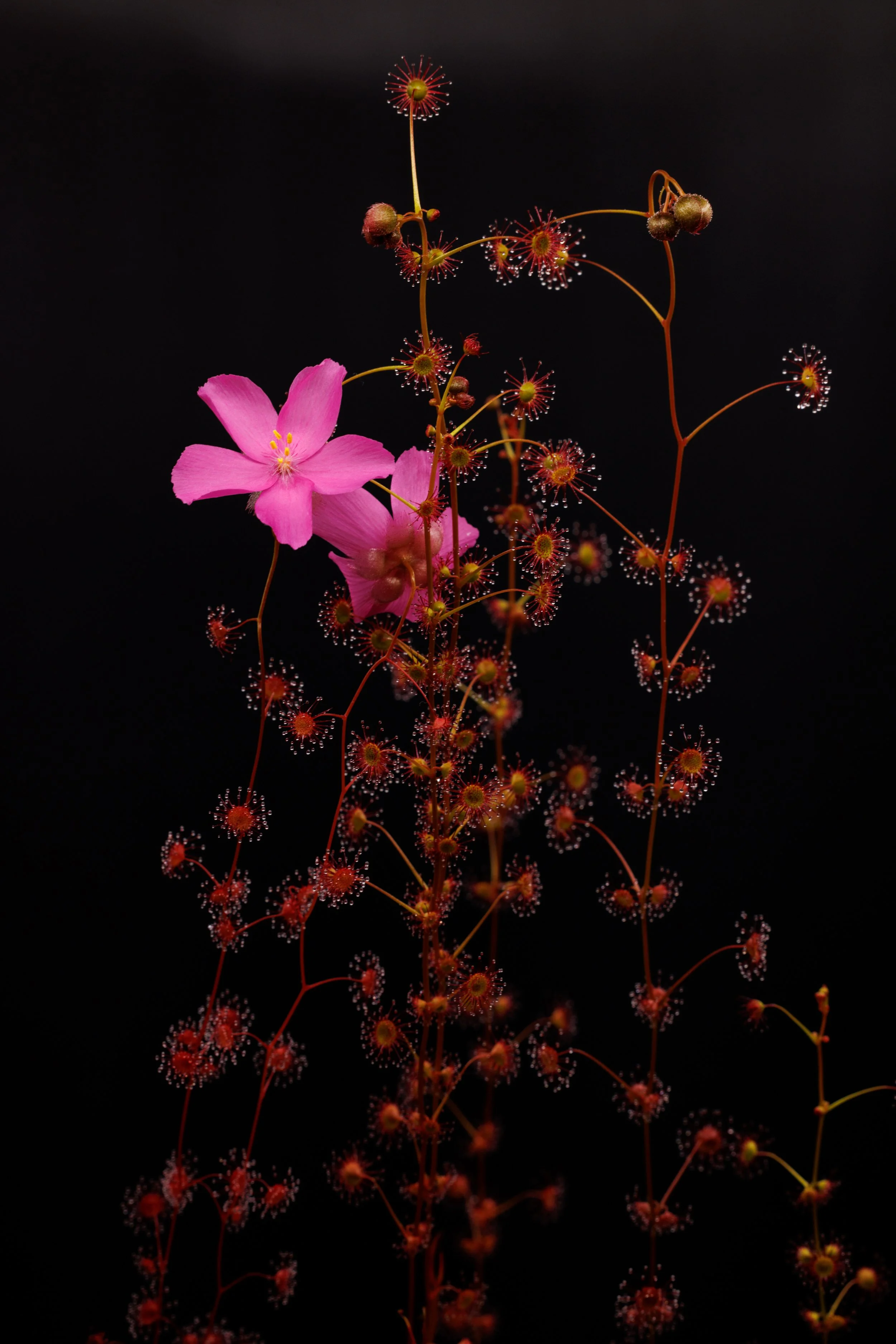 Image 1 of 8
 Image 2 of 8
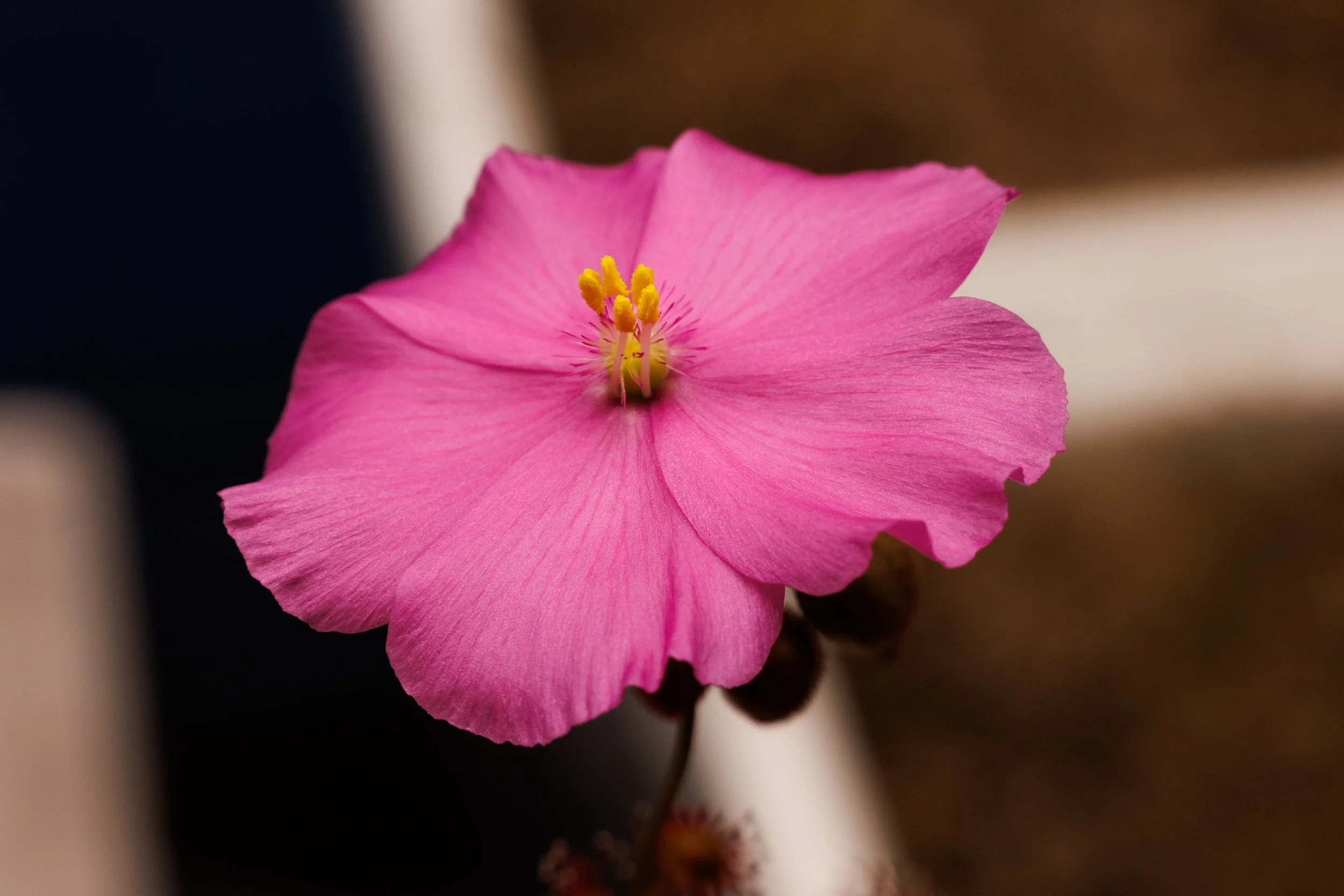 Image 3 of 8
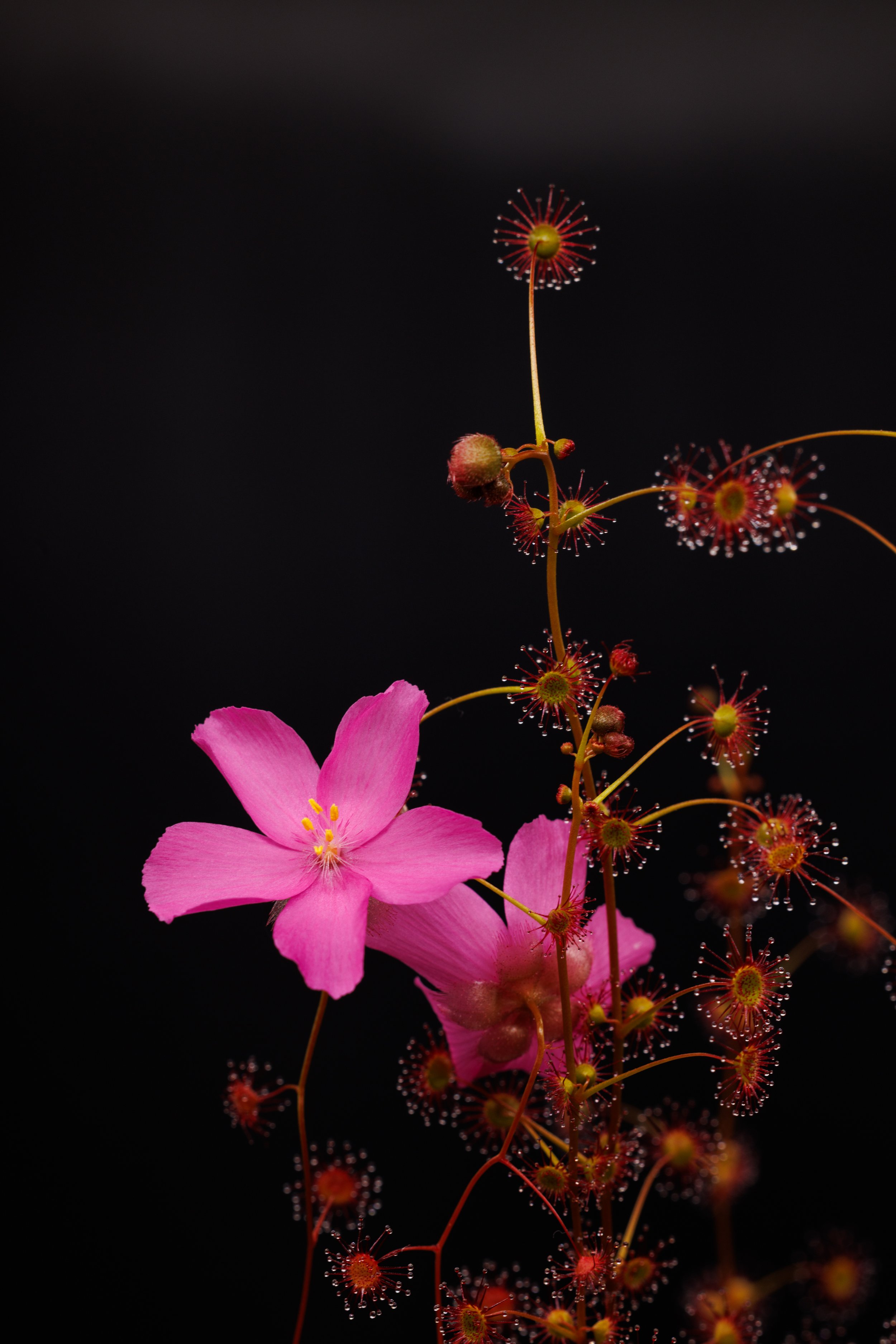 Image 4 of 8
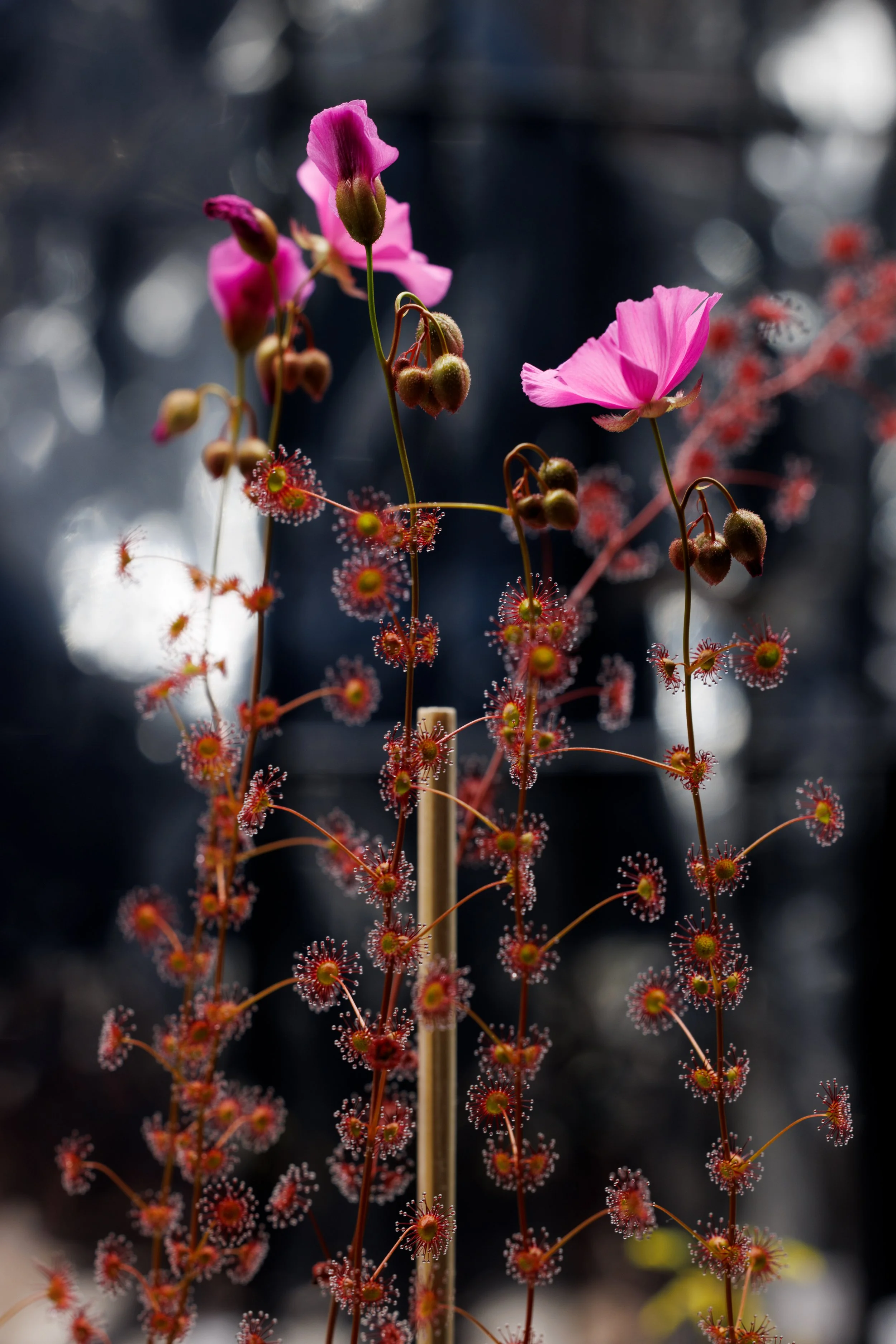 Image 5 of 8
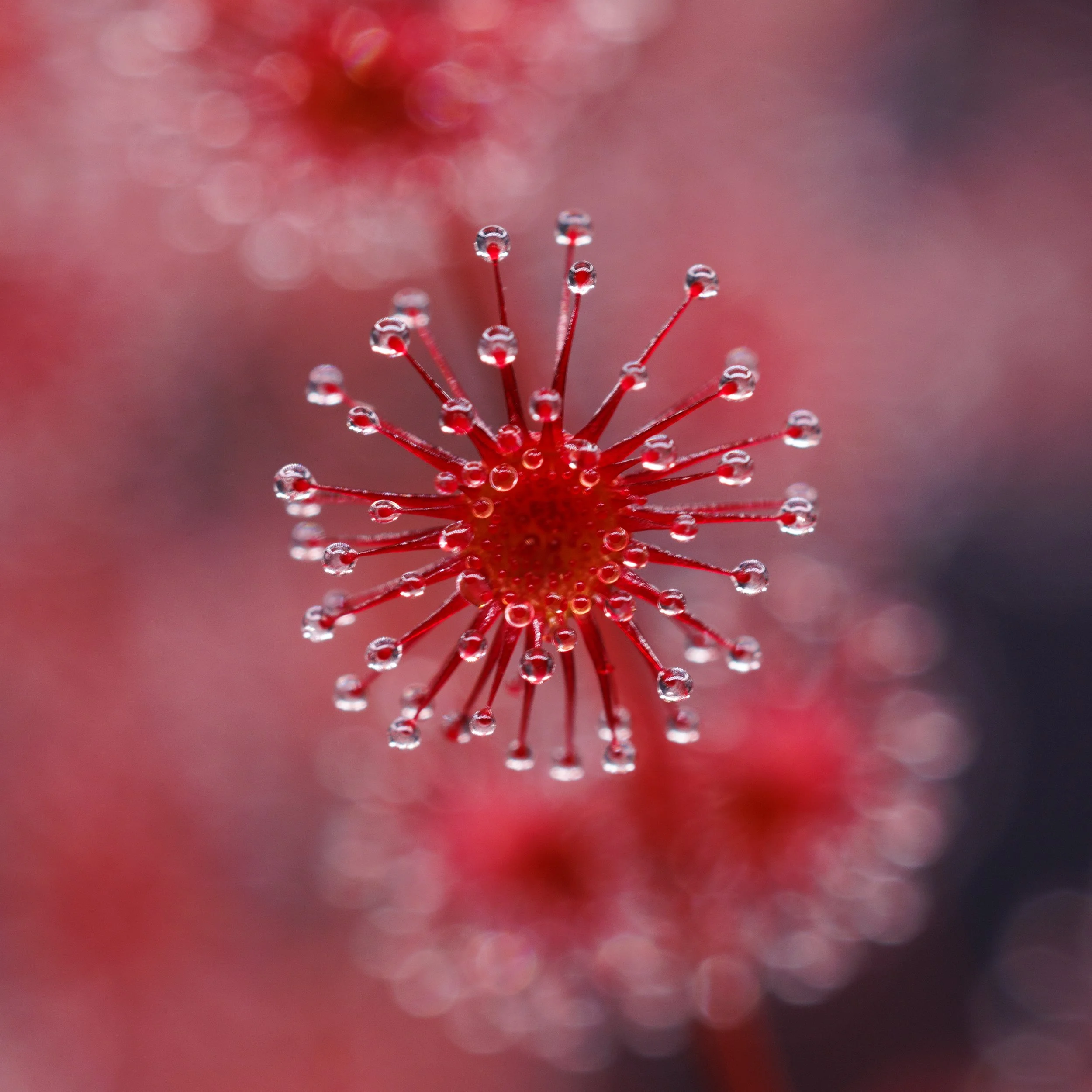 Image 6 of 8
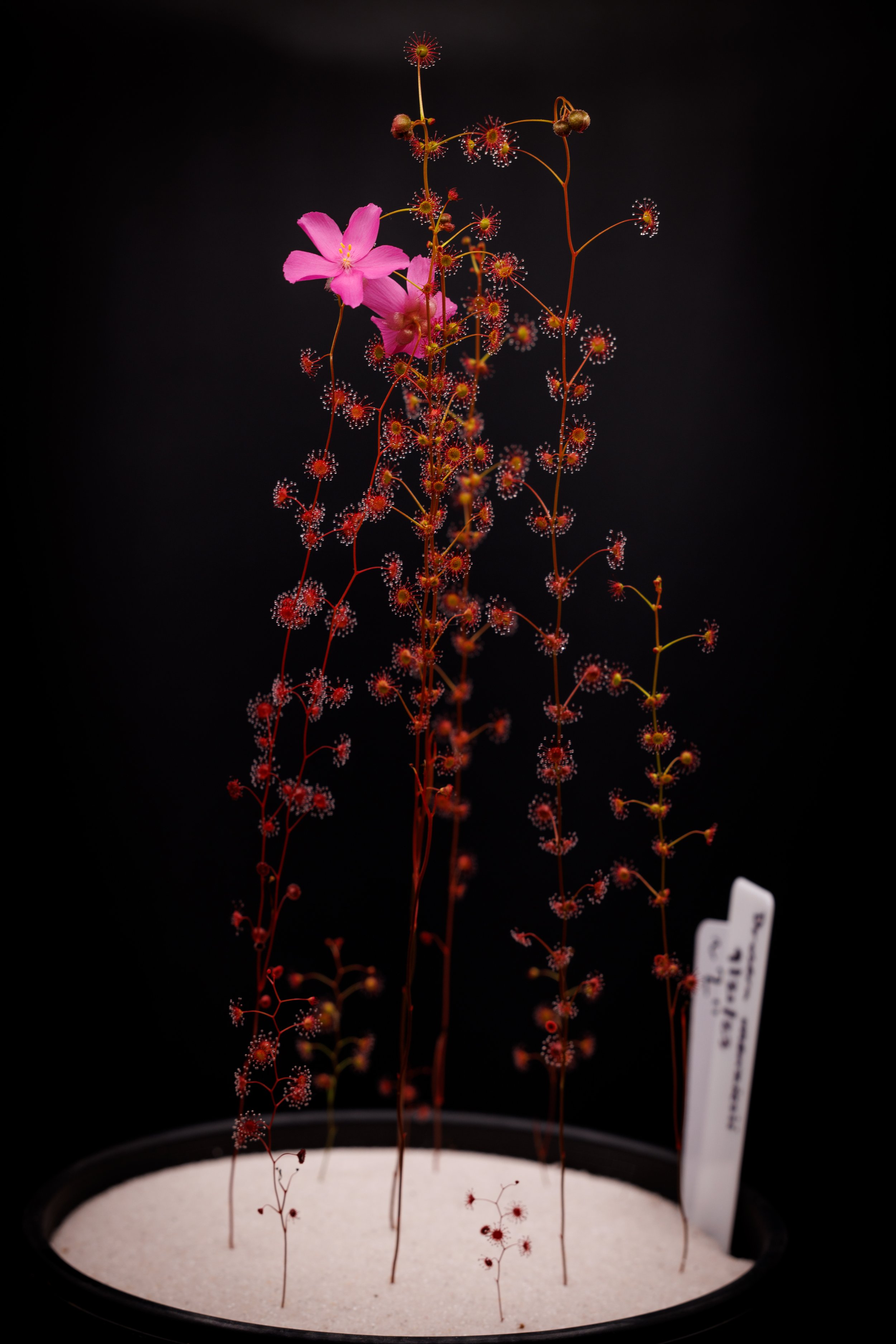 Image 7 of 8
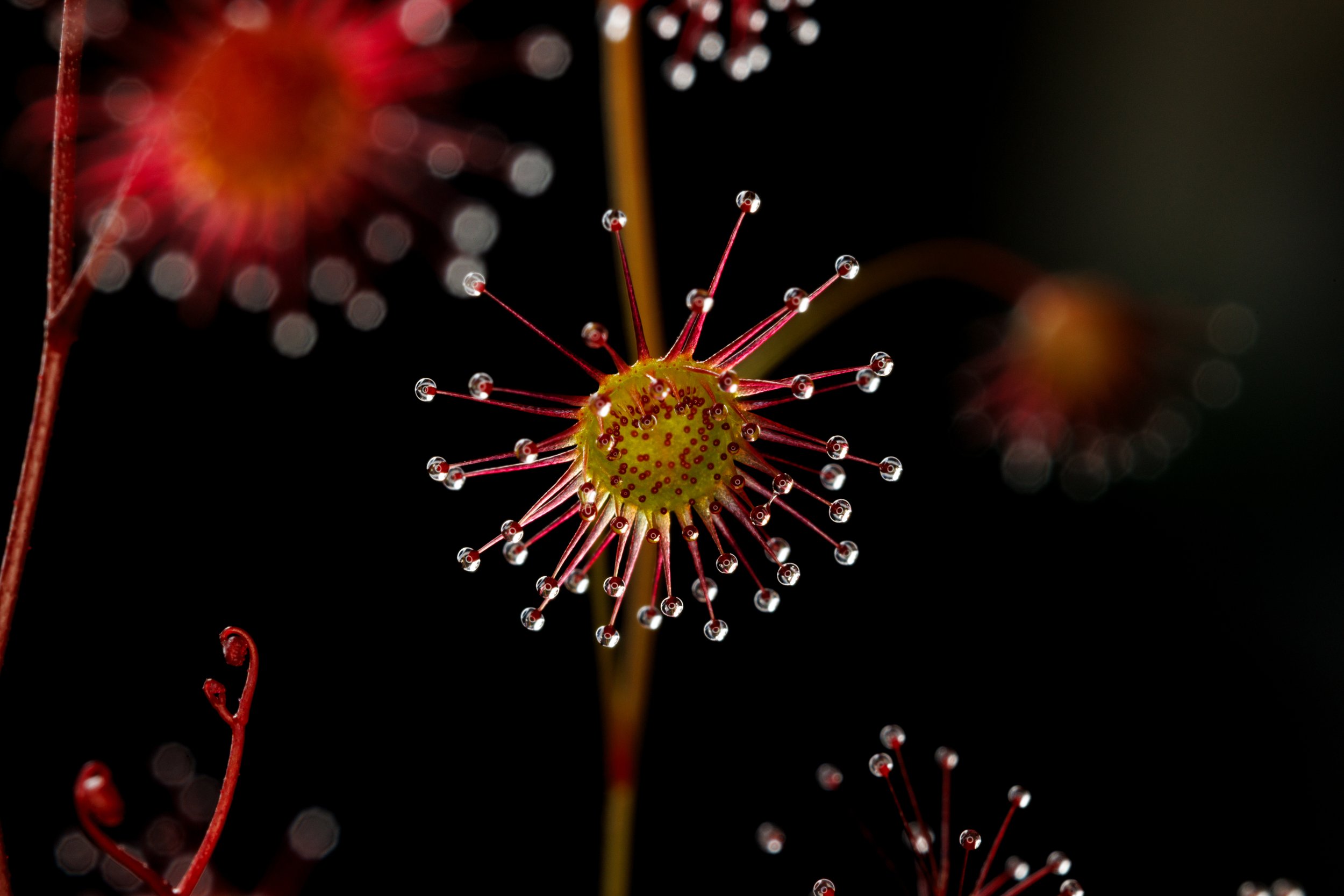 Image 8 of 8