Description
Drosera graomogolensis is a vivid, large, and showy sundew. The oblong-lanceolate leaves are dew-covered, numerous, and can be intensely bright red. This species can grow to around 4” in diameter and carry dozens of leaves simultaneously. Depending on lighting, they can either be a gradient of green at the center to red at the ends of the leaves, to completely red. The flowers are large and extremely tall — the inflorescence can easily exceed 18-24” in length. One of the most striking sundews that will be the highlight of any collection.
Drosera graomogolensis is native to the state of Minas Gerais in southeastern Brazil, found in “campo rupestre” grasslands. These habitats are montane, subtropical, humid, and often sandy. There are a number of Brazilian Drosera adapted to this environment which is somewhat drier than most sundew habitats. In general, it prefers strong light and some humidity, paired with cool temperatures.
Small plants are potted in 2.5”W x 3.5”H pots and are roughly 3/4” - 1” in diameter. Medium plants are potted in 2.5”-3.5”W pots and are roughly 1.25”-1.5” in diameter. Large plants are potted in 3.5”W pots and are roughly 2”+ in diameter.
WINTER SHIPPING: Cold winter temperatures (<40F) require heat packs which will be automatically included with the shipment if necessary.
Growing Information
Climate: Temperatures from 50-85F, some humidity is preferred.
Light: Part to Full Sun or 20W per sq ft LED light.
Water: Distilled or Reverse Osmosis water. Sitting in 0.5” of water using tray method. In humid conditions, the tray can be allowed to dry temporarily as the root prefer good drainage and airflow. Only use distilled, reverse osmosis, or rainwater because tap water is toxic to carnivorous plants due to high mineral content and chlorine.
Soil: 30% Peat Moss: 70% Sand/Perlite. Good drainage is important. Rinse media with distilled or reverse osmosis water to remove excess salts.
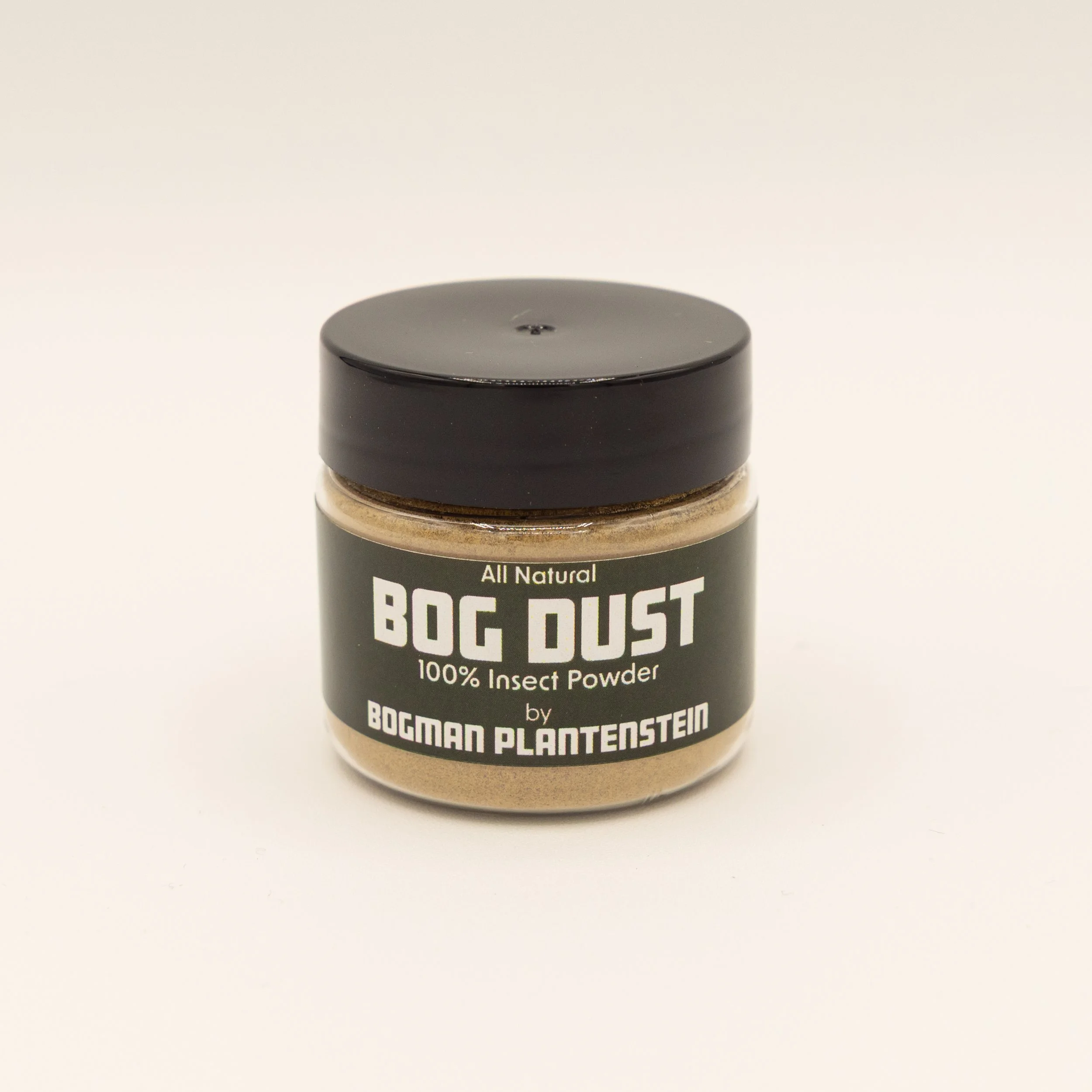
Feeding: Feed leaves lightly with Insect Powder or spray with MaxSea at ~400ppm every month or so.
Description
Drosera graomogolensis is a vivid, large, and showy sundew. The oblong-lanceolate leaves are dew-covered, numerous, and can be intensely bright red. This species can grow to around 4” in diameter and carry dozens of leaves simultaneously. Depending on lighting, they can either be a gradient of green at the center to red at the ends of the leaves, to completely red. The flowers are large and extremely tall — the inflorescence can easily exceed 18-24” in length. One of the most striking sundews that will be the highlight of any collection.
Drosera graomogolensis is native to the state of Minas Gerais in southeastern Brazil, found in “campo rupestre” grasslands. These habitats are montane, subtropical, humid, and often sandy. There are a number of Brazilian Drosera adapted to this environment which is somewhat drier than most sundew habitats. In general, it prefers strong light and some humidity, paired with cool temperatures.
Small plants are potted in 2.5”W x 3.5”H pots and are roughly 3/4” - 1” in diameter. Medium plants are potted in 2.5”-3.5”W pots and are roughly 1.25”-1.5” in diameter. Large plants are potted in 3.5”W pots and are roughly 2”+ in diameter.
WINTER SHIPPING: Cold winter temperatures (<40F) require heat packs which will be automatically included with the shipment if necessary.
Growing Information
Climate: Temperatures from 50-85F, some humidity is preferred.
Light: Part to Full Sun or 20W per sq ft LED light.
Water: Distilled or Reverse Osmosis water. Sitting in 0.5” of water using tray method. In humid conditions, the tray can be allowed to dry temporarily as the root prefer good drainage and airflow. Only use distilled, reverse osmosis, or rainwater because tap water is toxic to carnivorous plants due to high mineral content and chlorine.
Soil: 30% Peat Moss: 70% Sand/Perlite. Good drainage is important. Rinse media with distilled or reverse osmosis water to remove excess salts.
Feeding: Feed leaves lightly with Insect Powder or spray with MaxSea at ~400ppm every month or so.
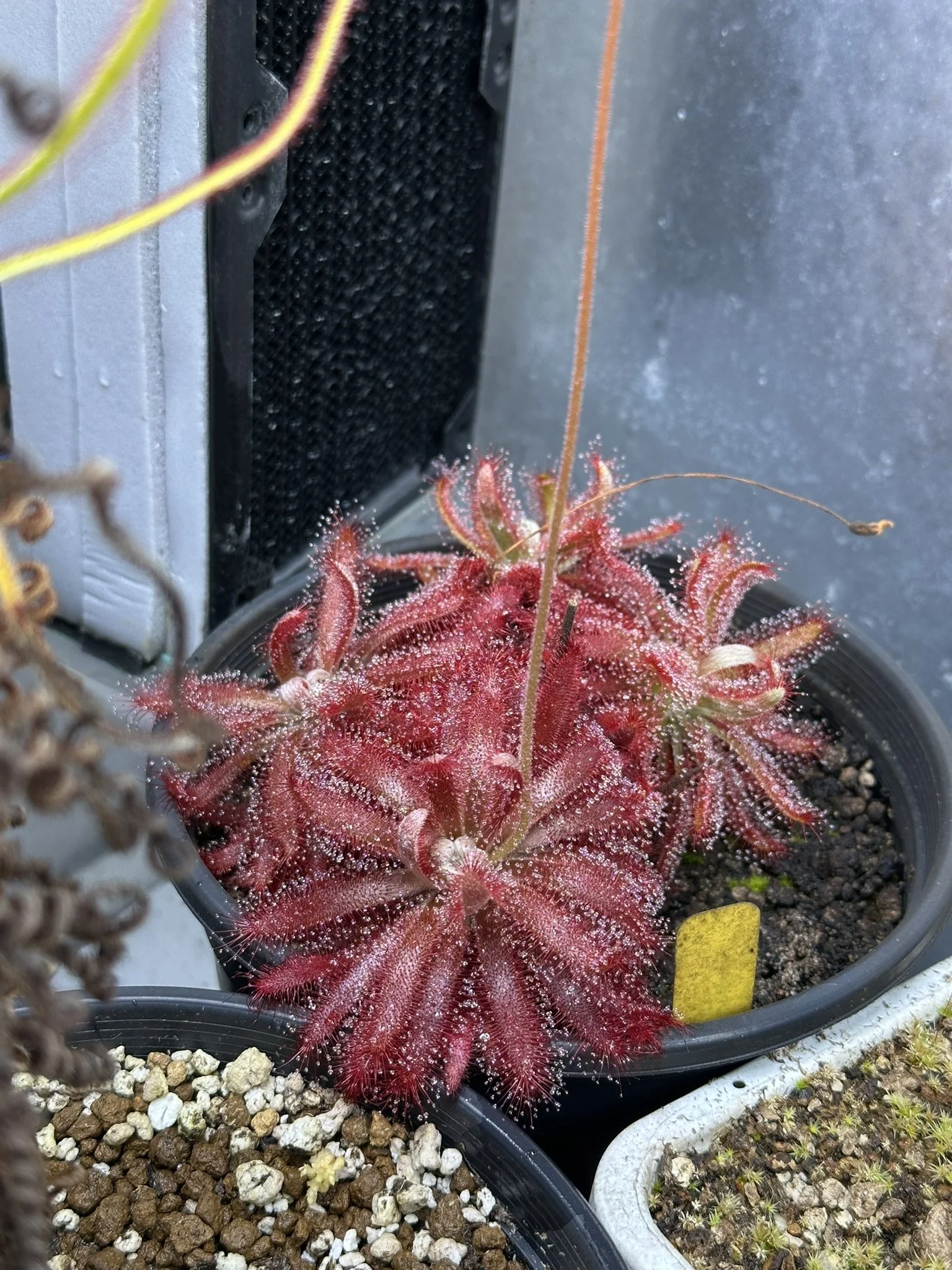 Image 1 of 6
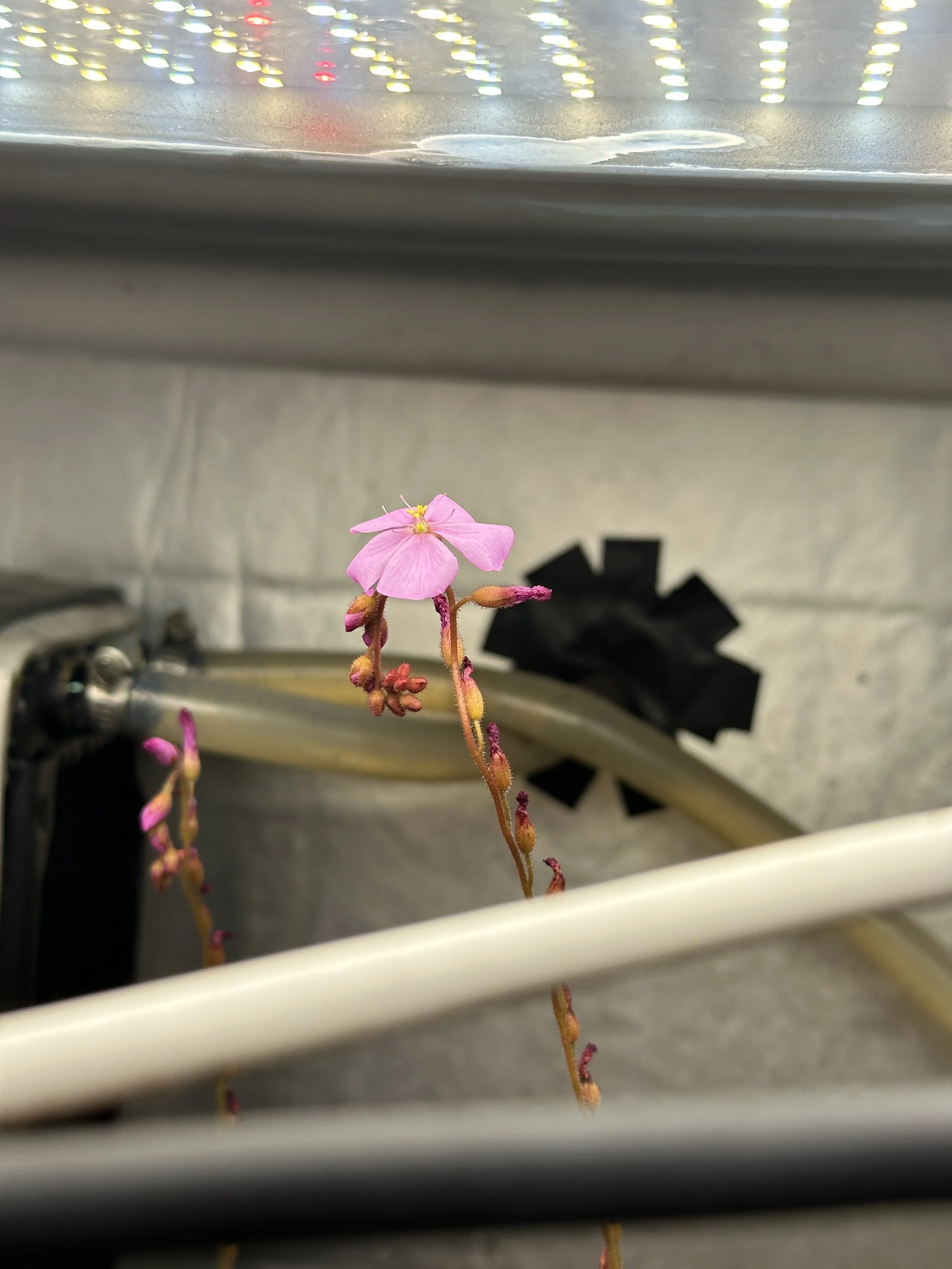 Image 2 of 6
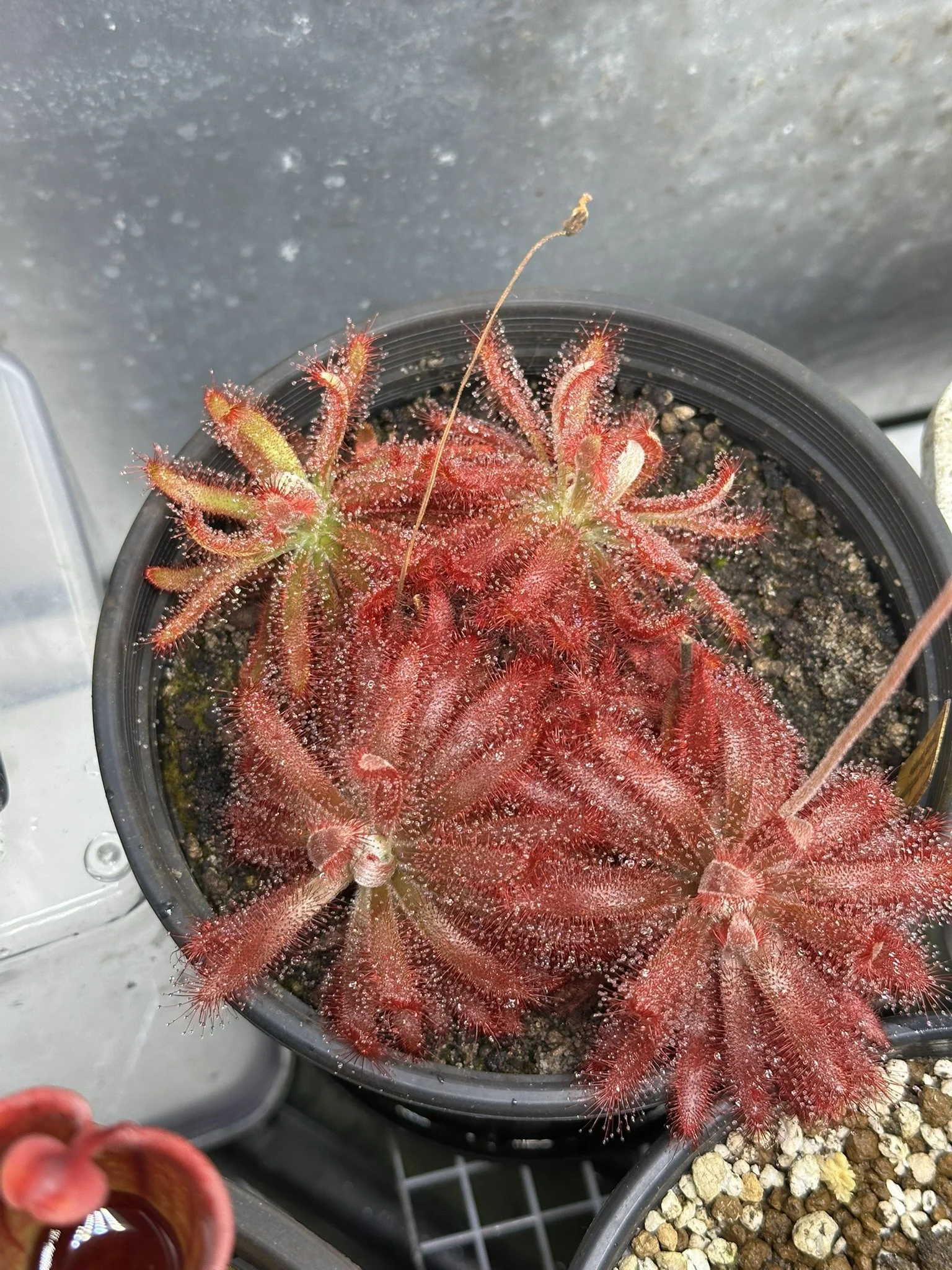 Image 3 of 6
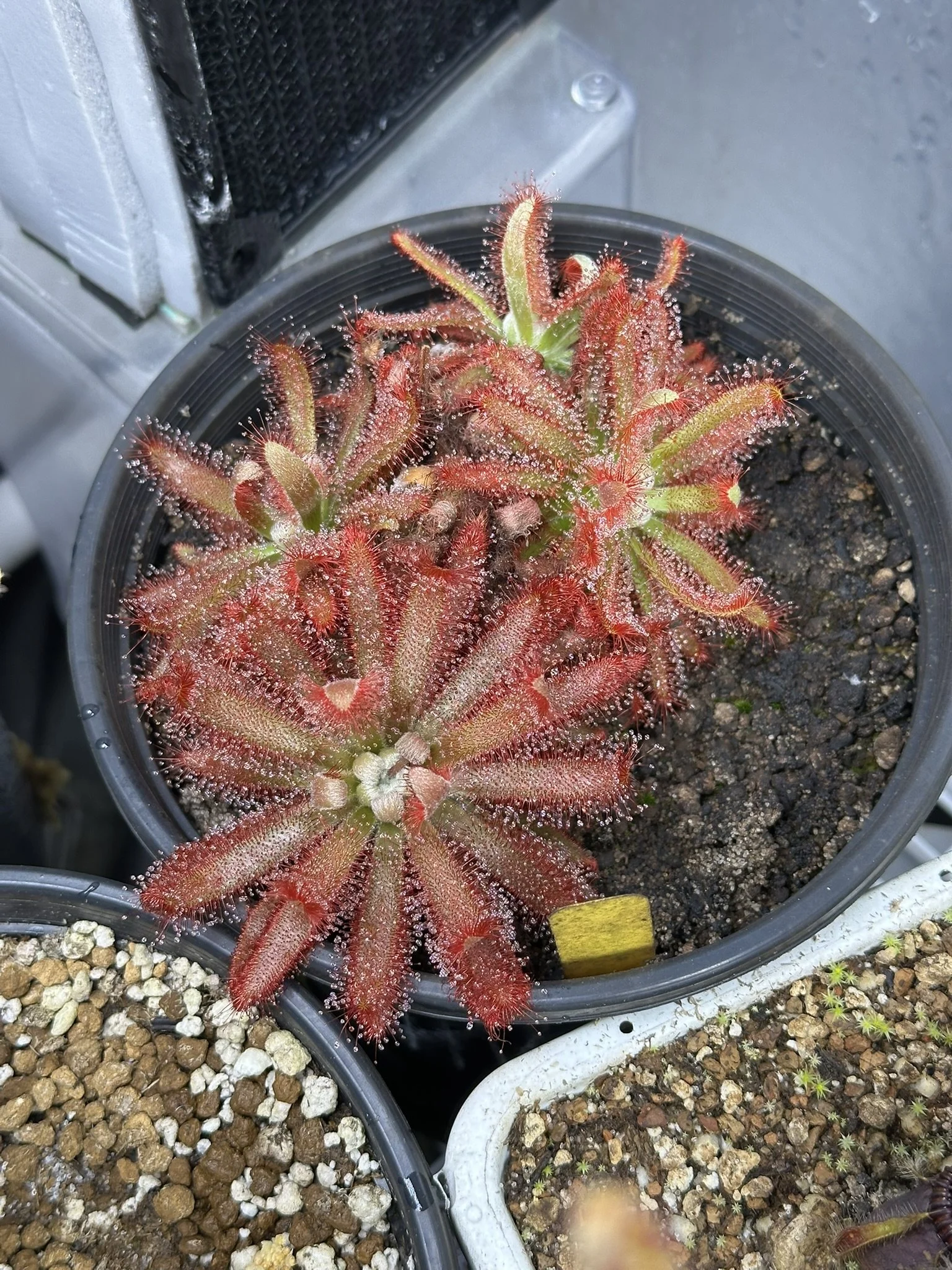 Image 4 of 6
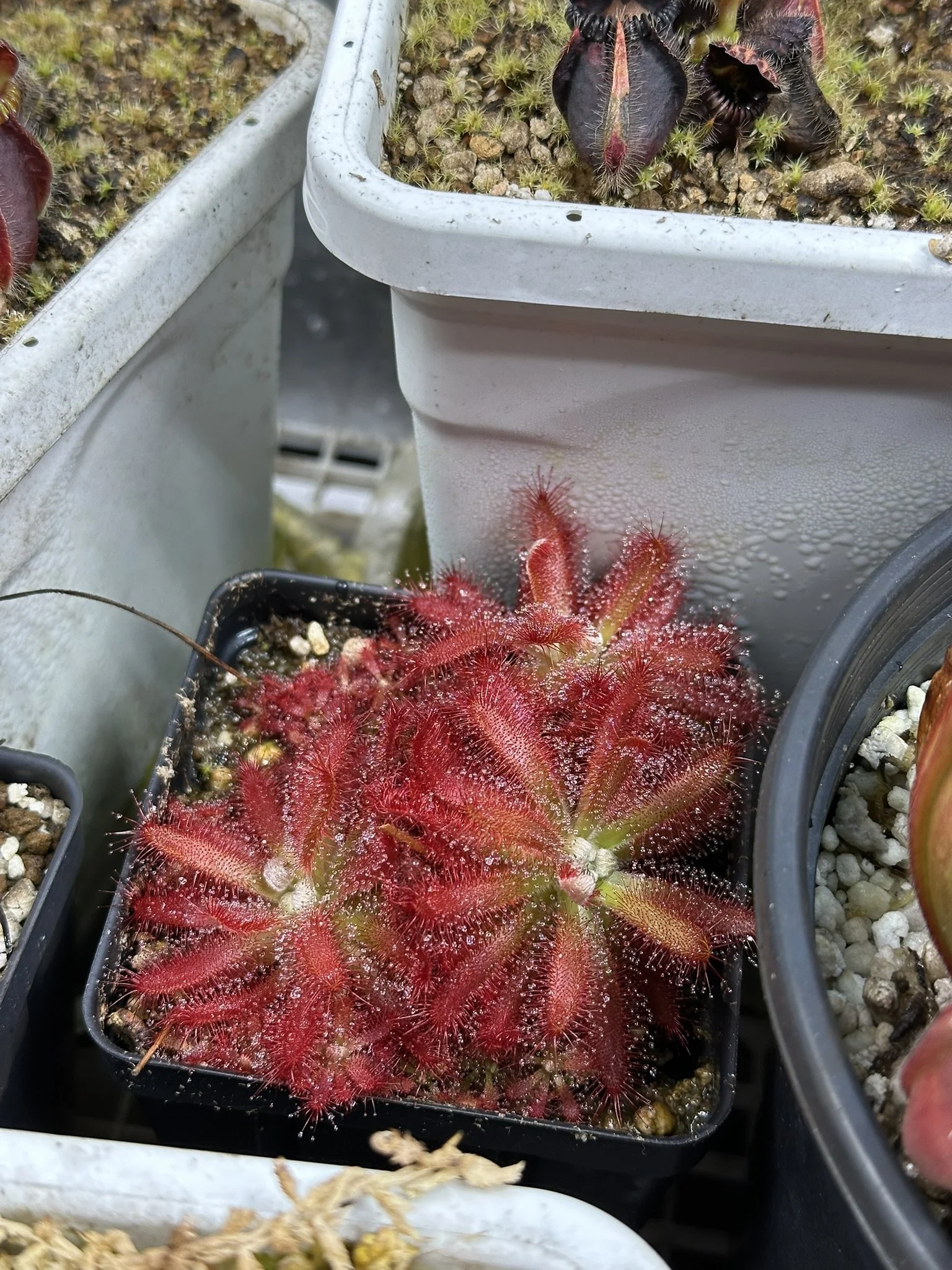 Image 5 of 6
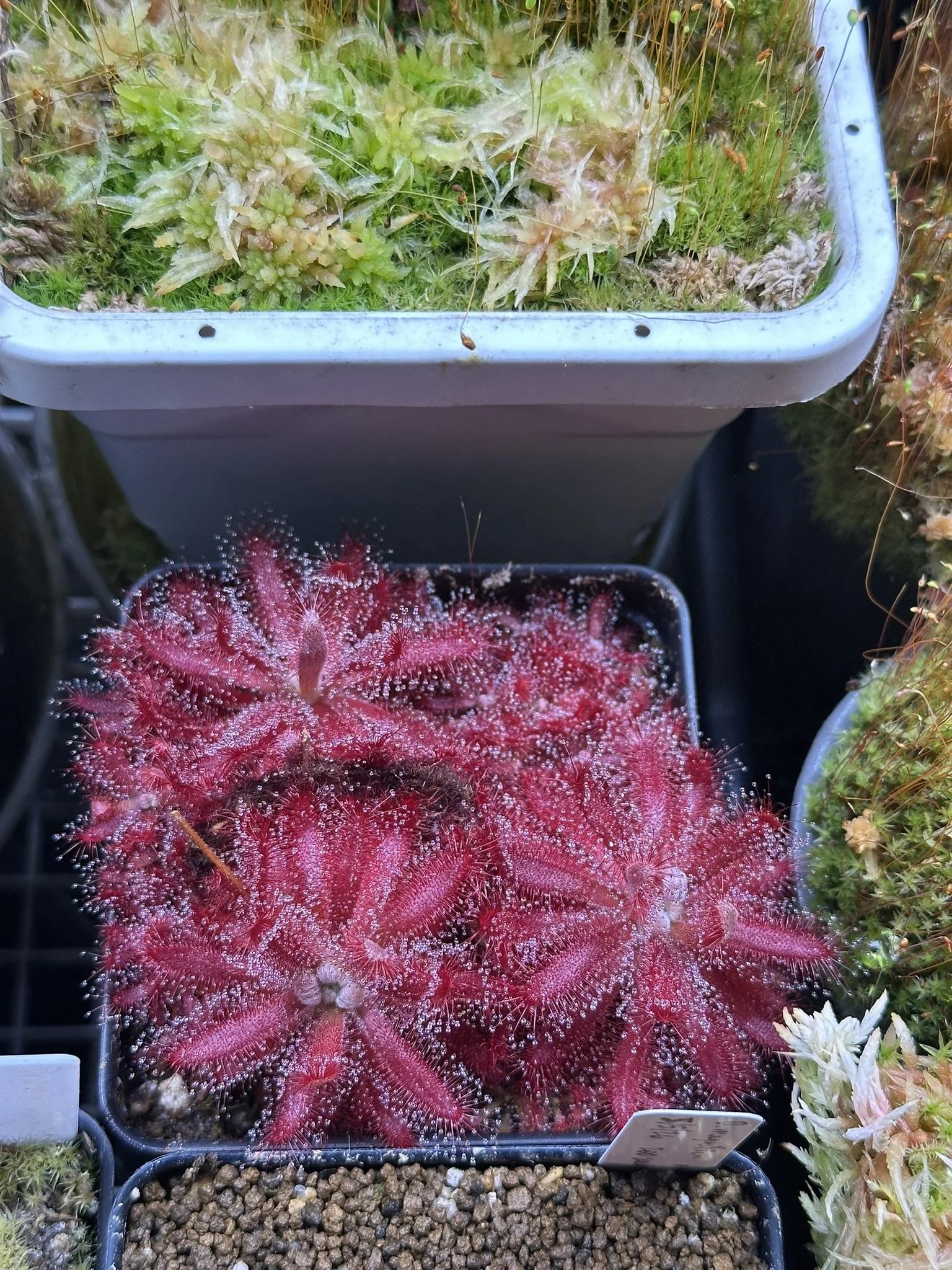 Image 6 of 6