Subtropical Butterworts (Pinguicula) Cultivation
General Info:
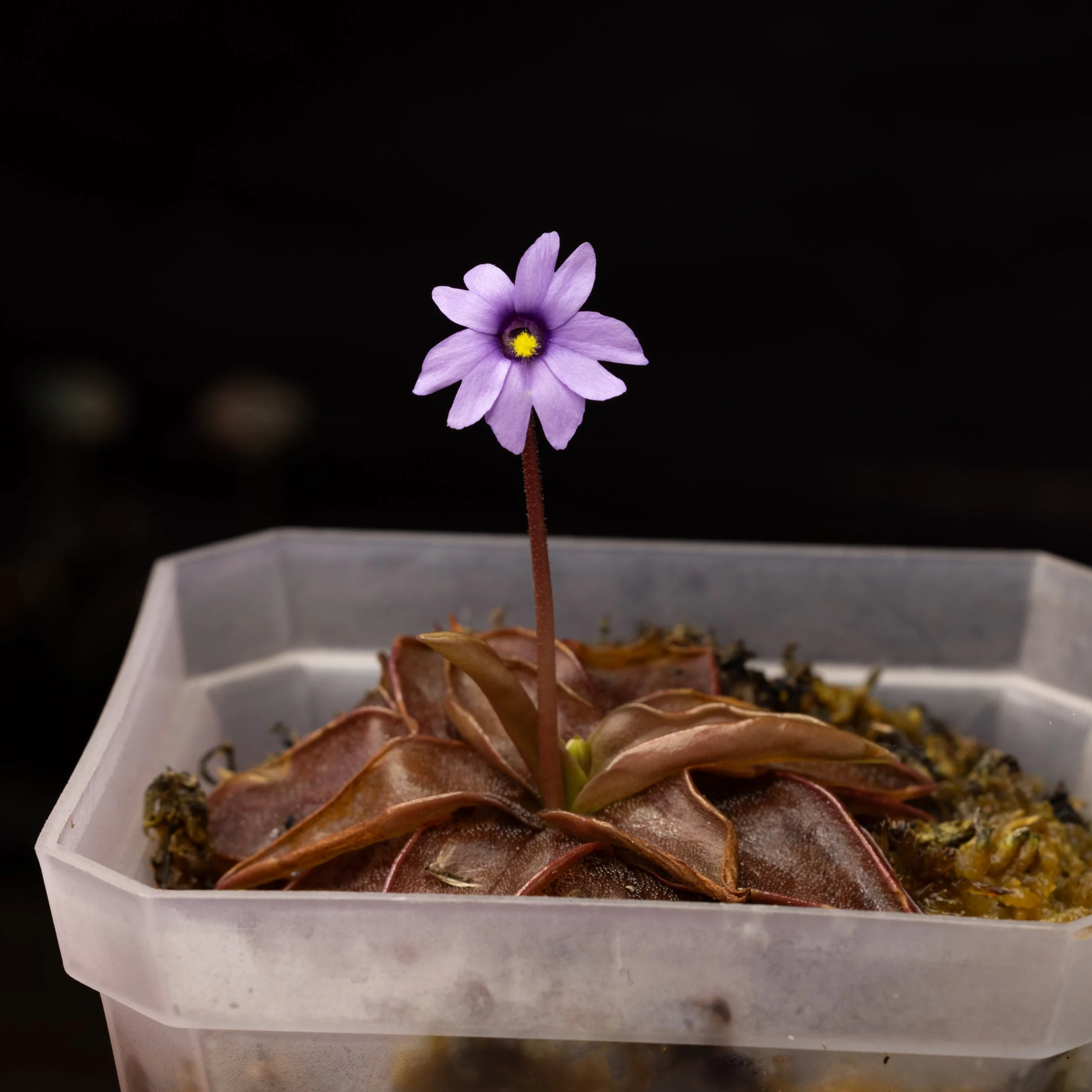
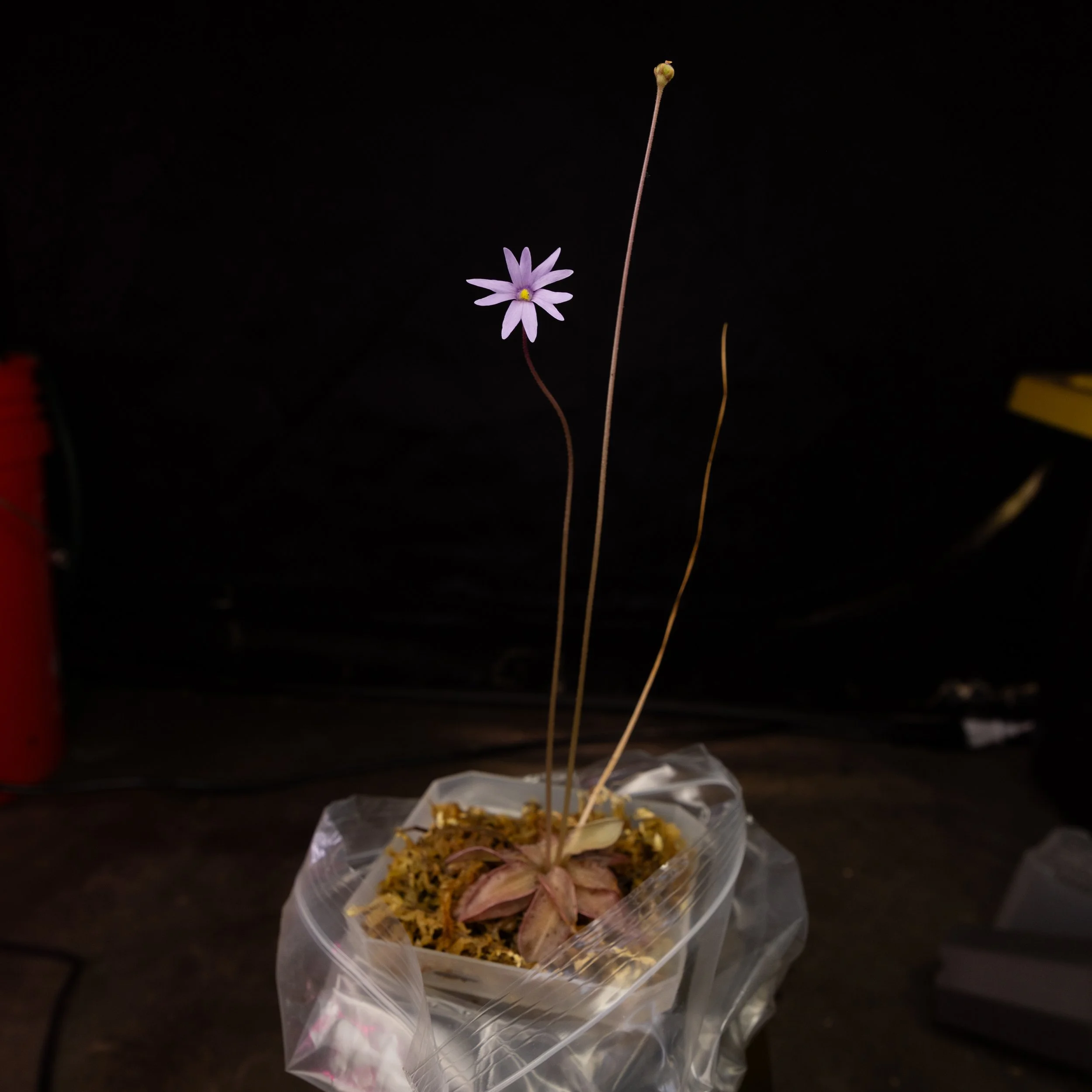
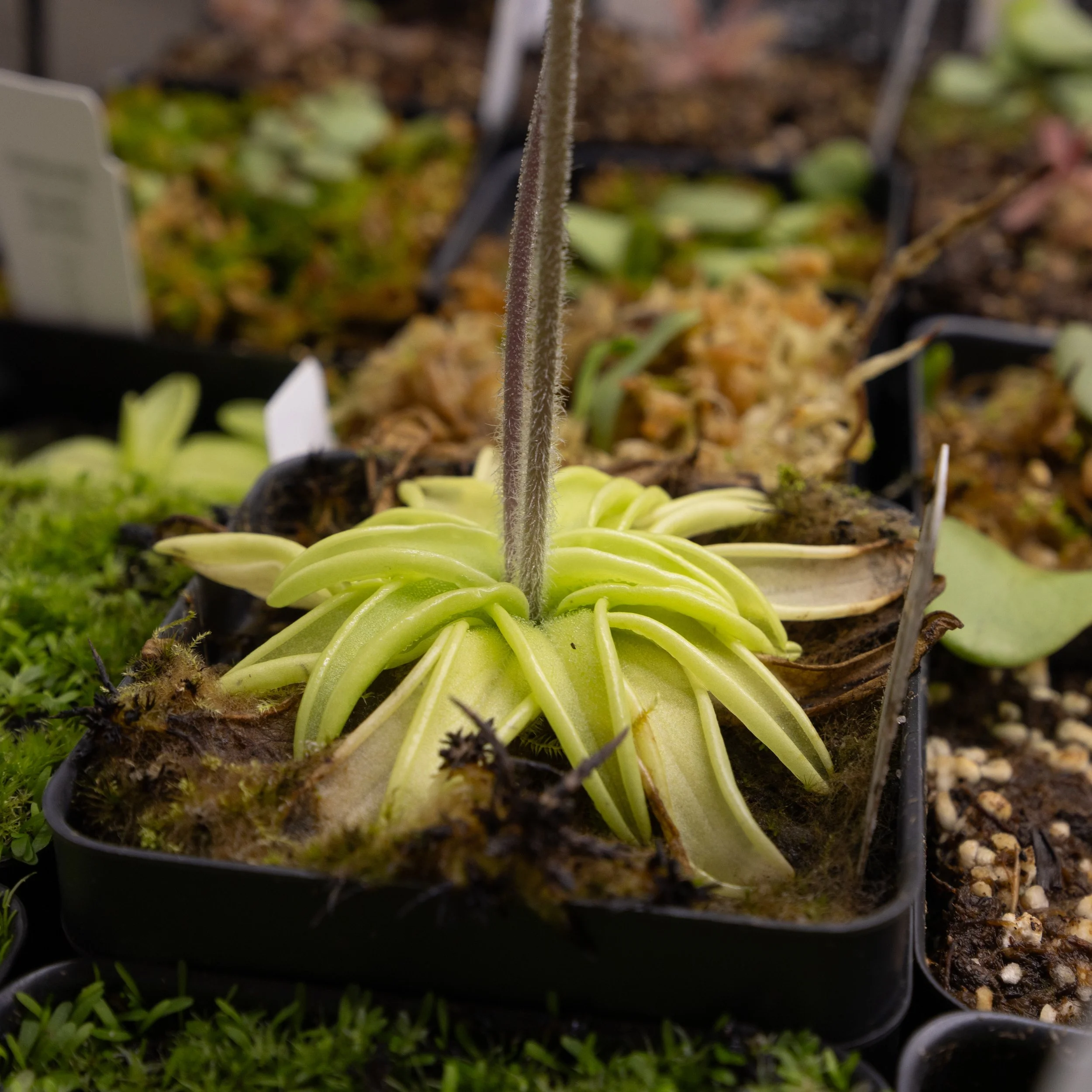
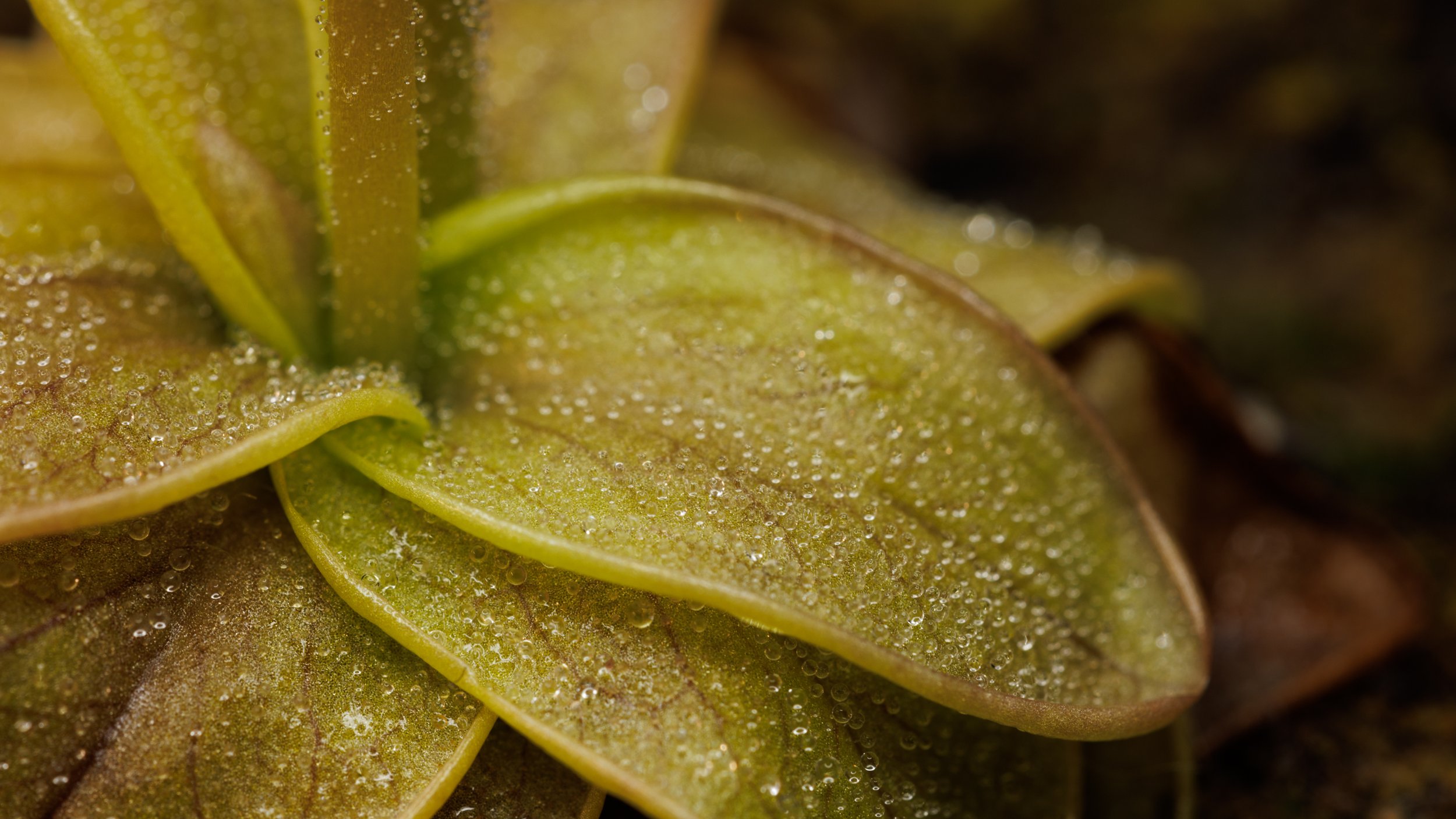
Butterworts (genus: Pinguicula) are a type of carnivorous plant that uses slimy, sticky leaves to catch small gnats and flies. This group of Subtropical Butterworts grow in mild climates and have no dormancies. They are mostly found in the Southeastern United States in habitats ranging from inundated swamps or riverbanks to open, sandy savannah. They typically grow in humid environments that might experience frost in the winter with very hot and humid temperatures in the summer. Sometimes these are referred to as “warm temperate”, but I prefer to reserve “temperate” for species that have distinct winter dormancies — in Pinguicula, these would be species like Pinguicula vulgaris, macroceras, or grandiflora which form dense hibernacula buds in the winter. There are other species from southern Europe that might fit the category of “subtropical” but these are uncommon in cultivation, therefore this will be focused on the US species.
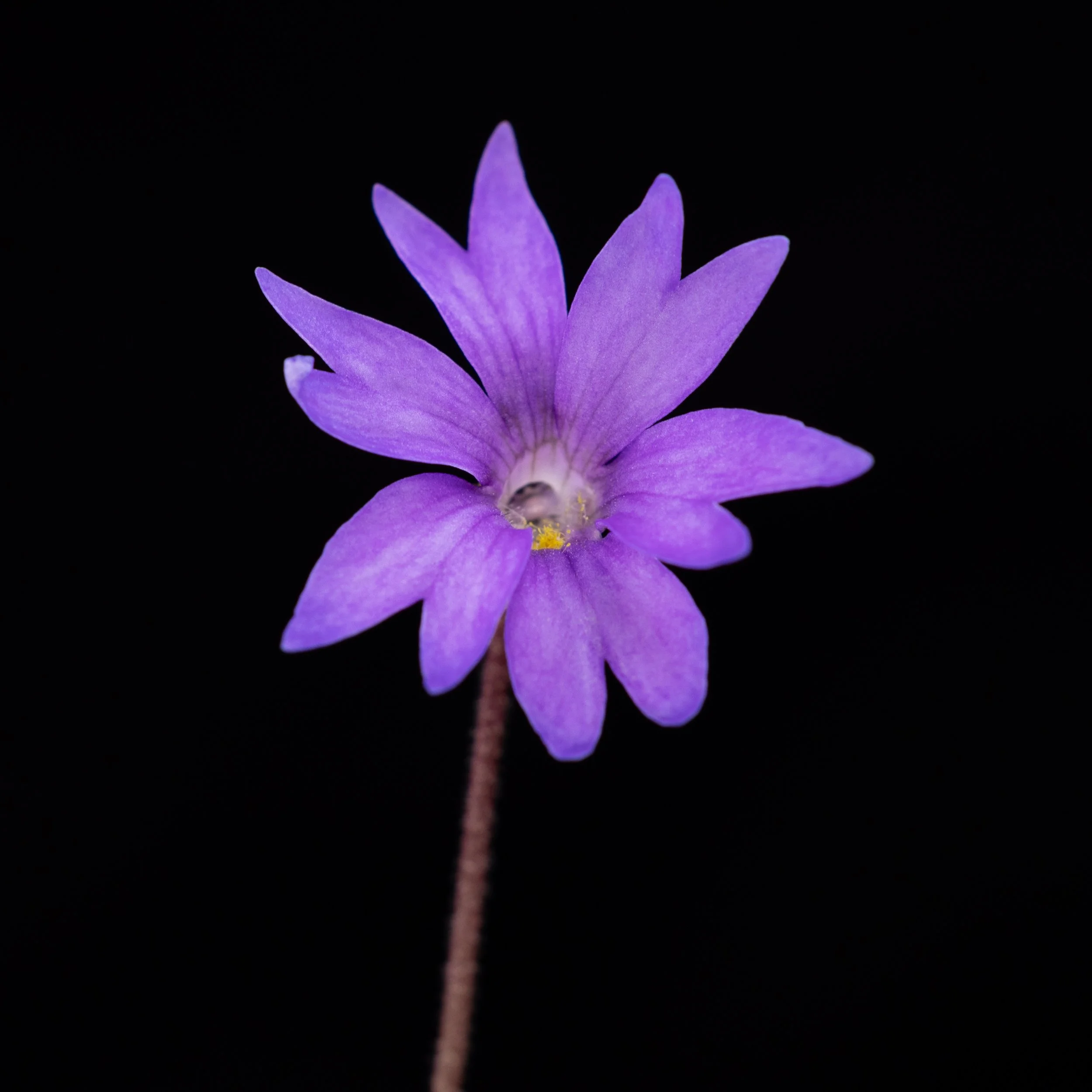
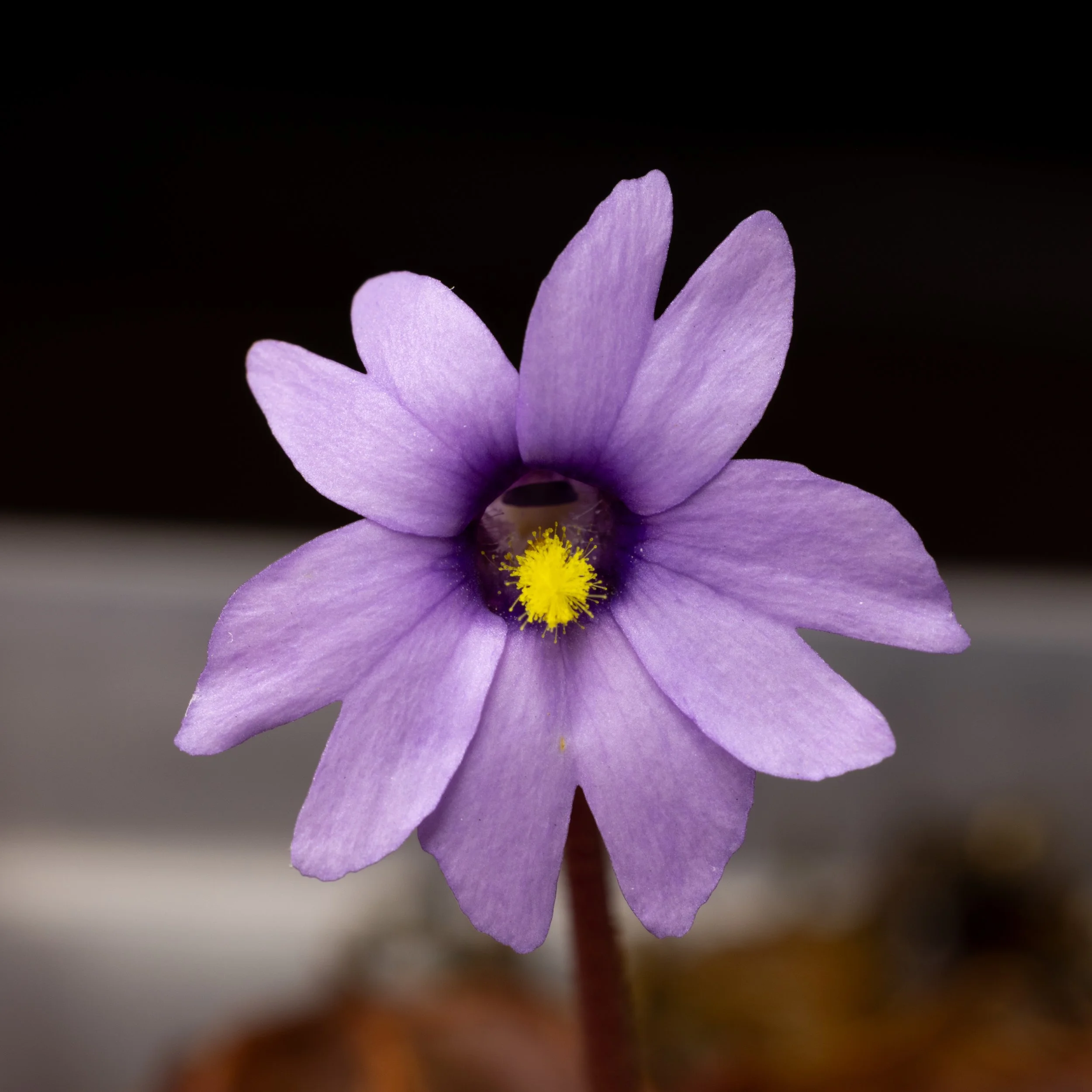
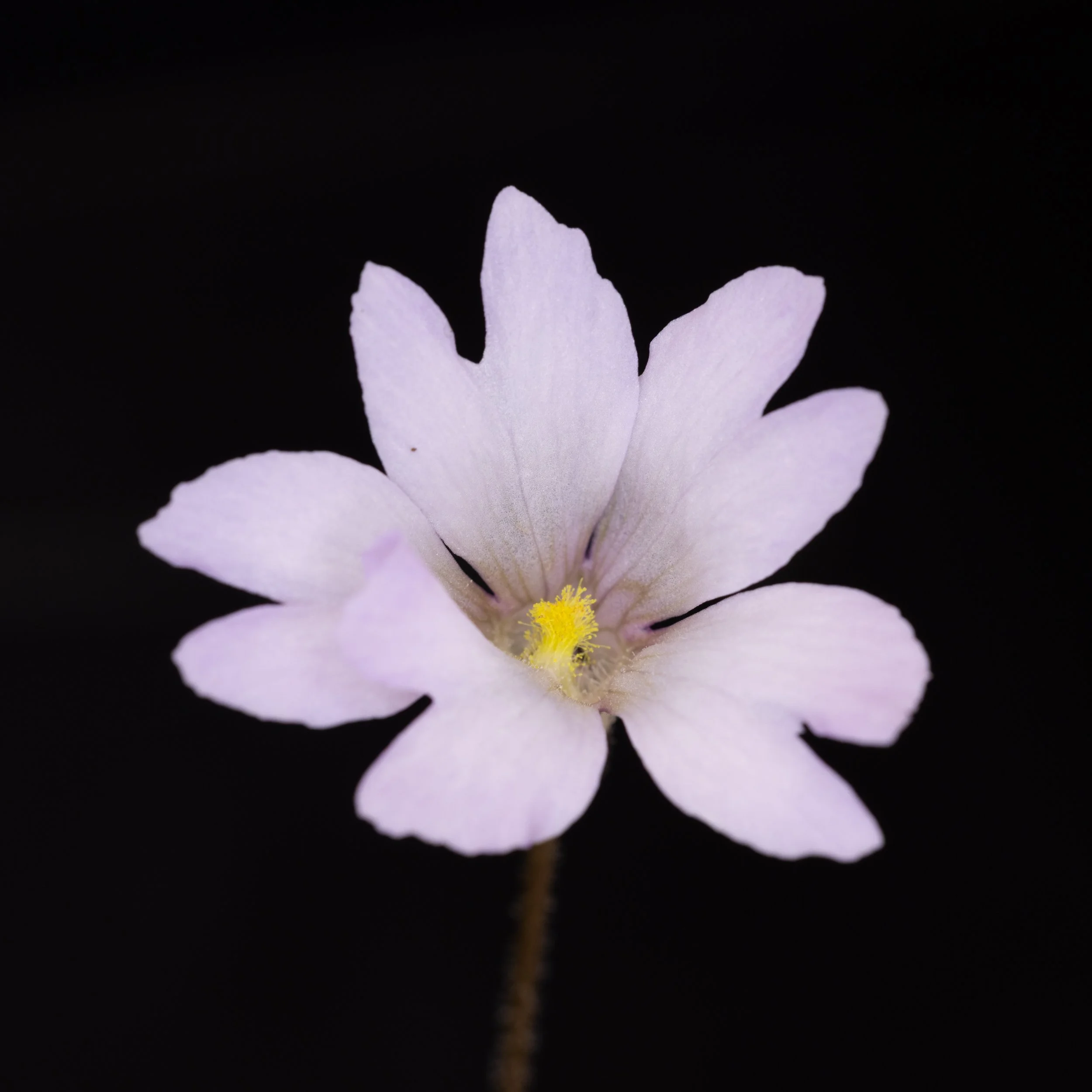
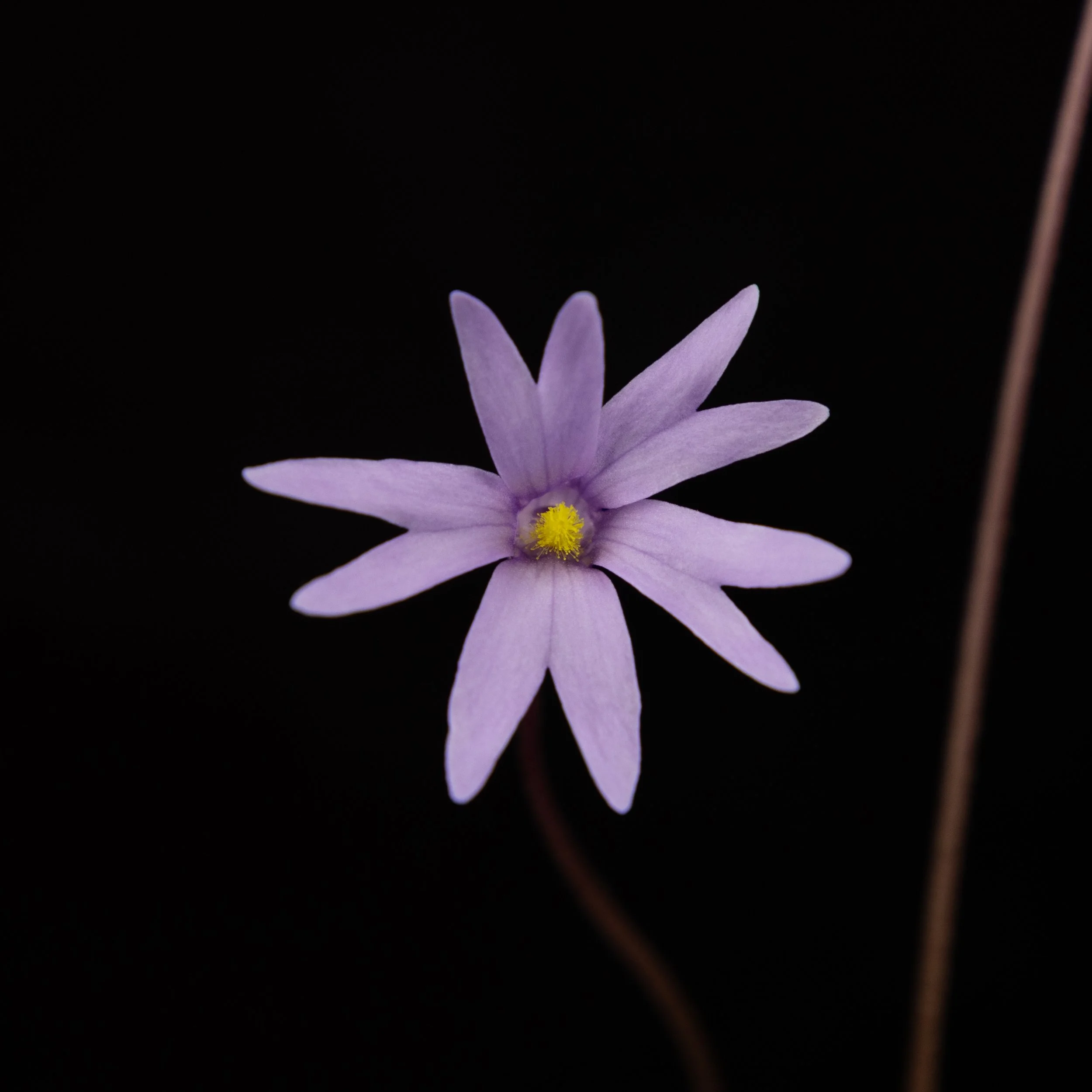
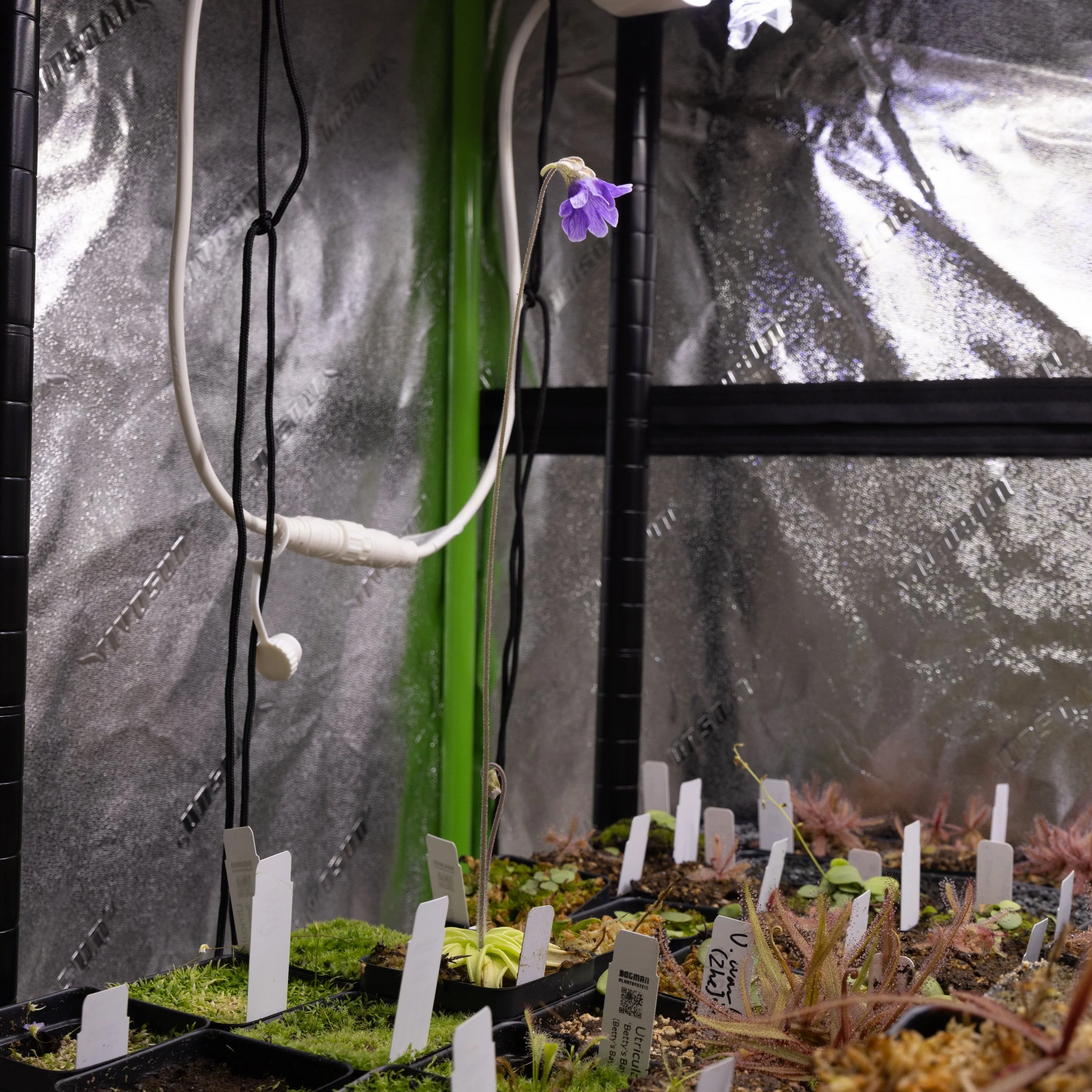
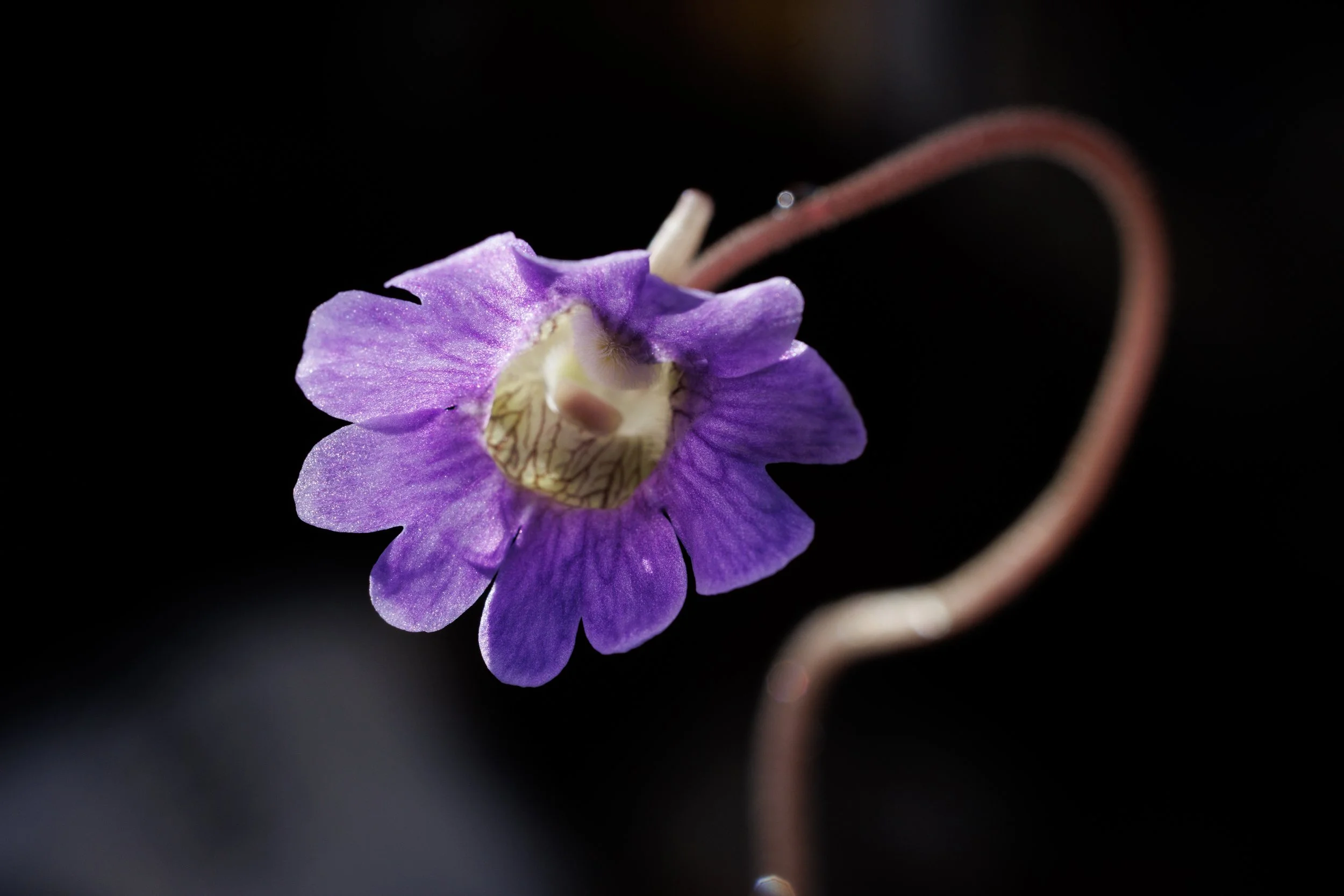
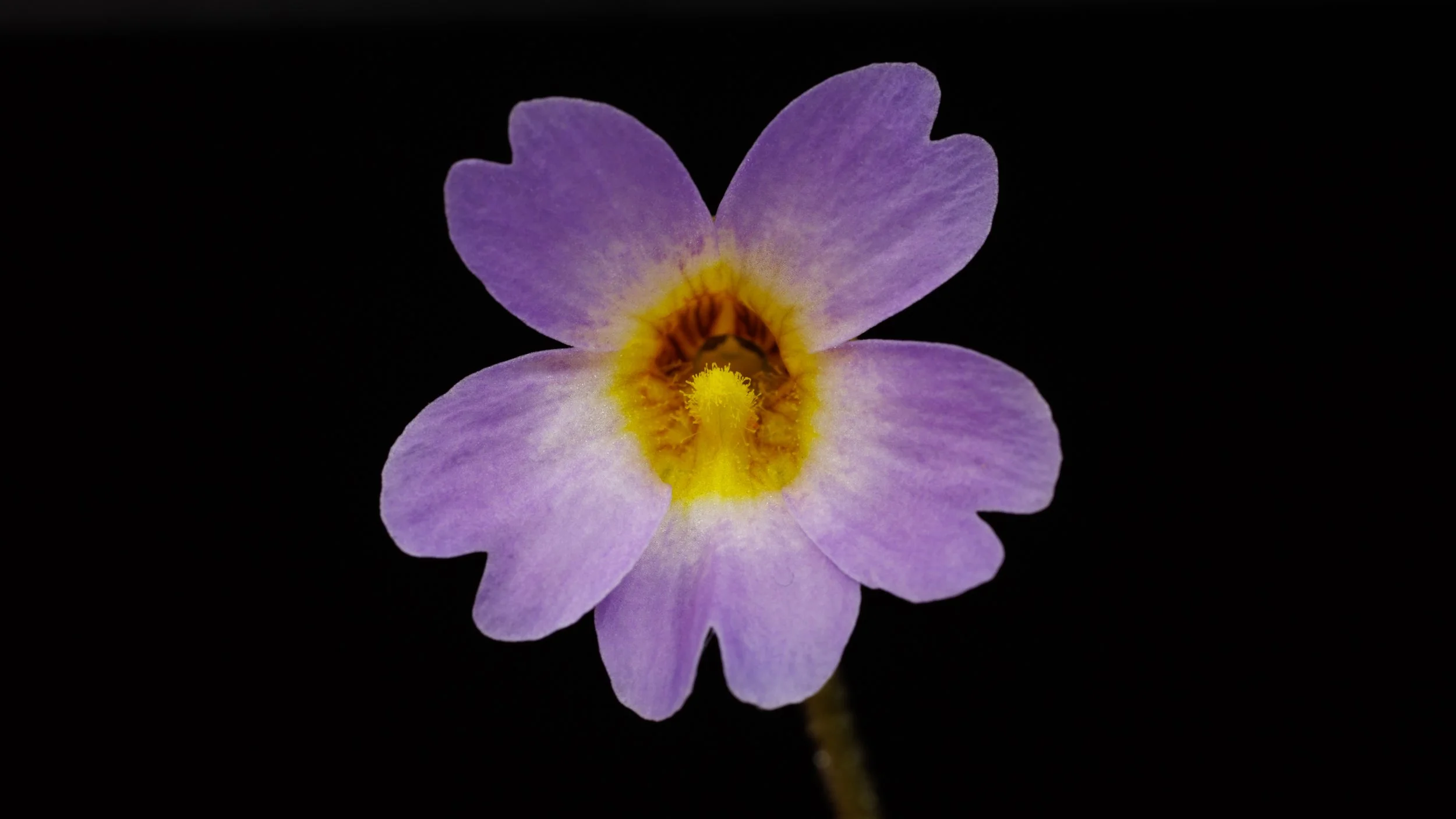
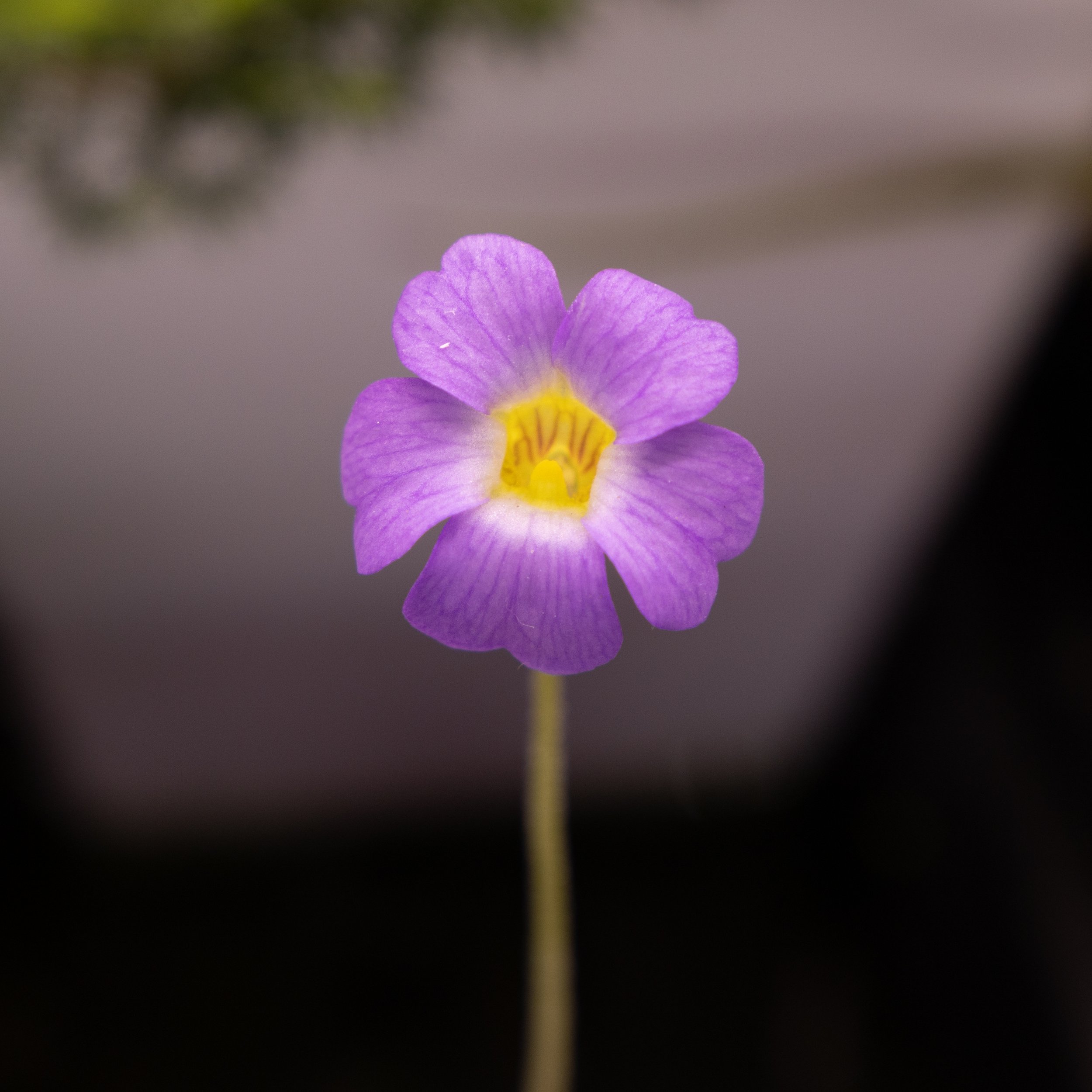
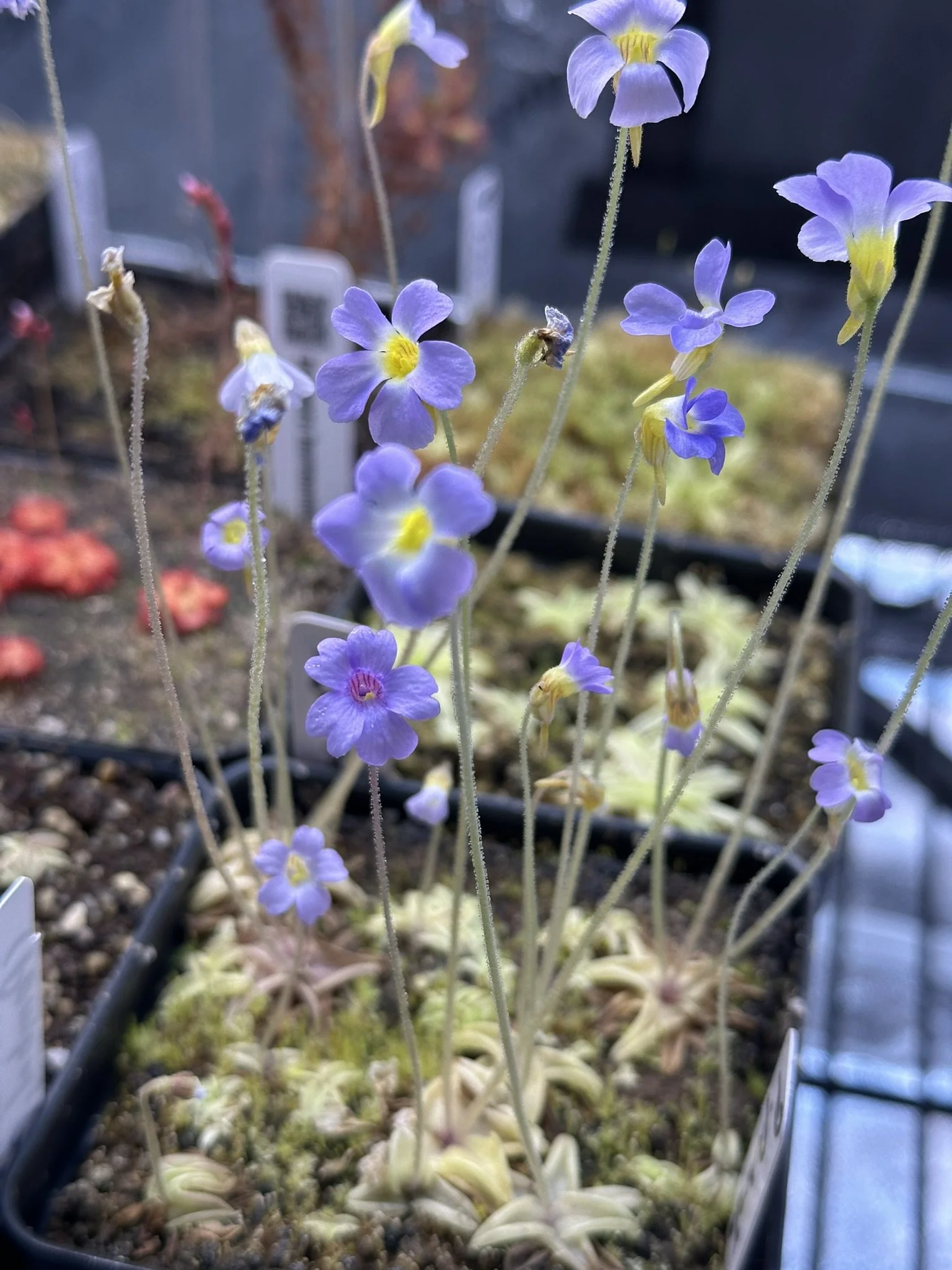
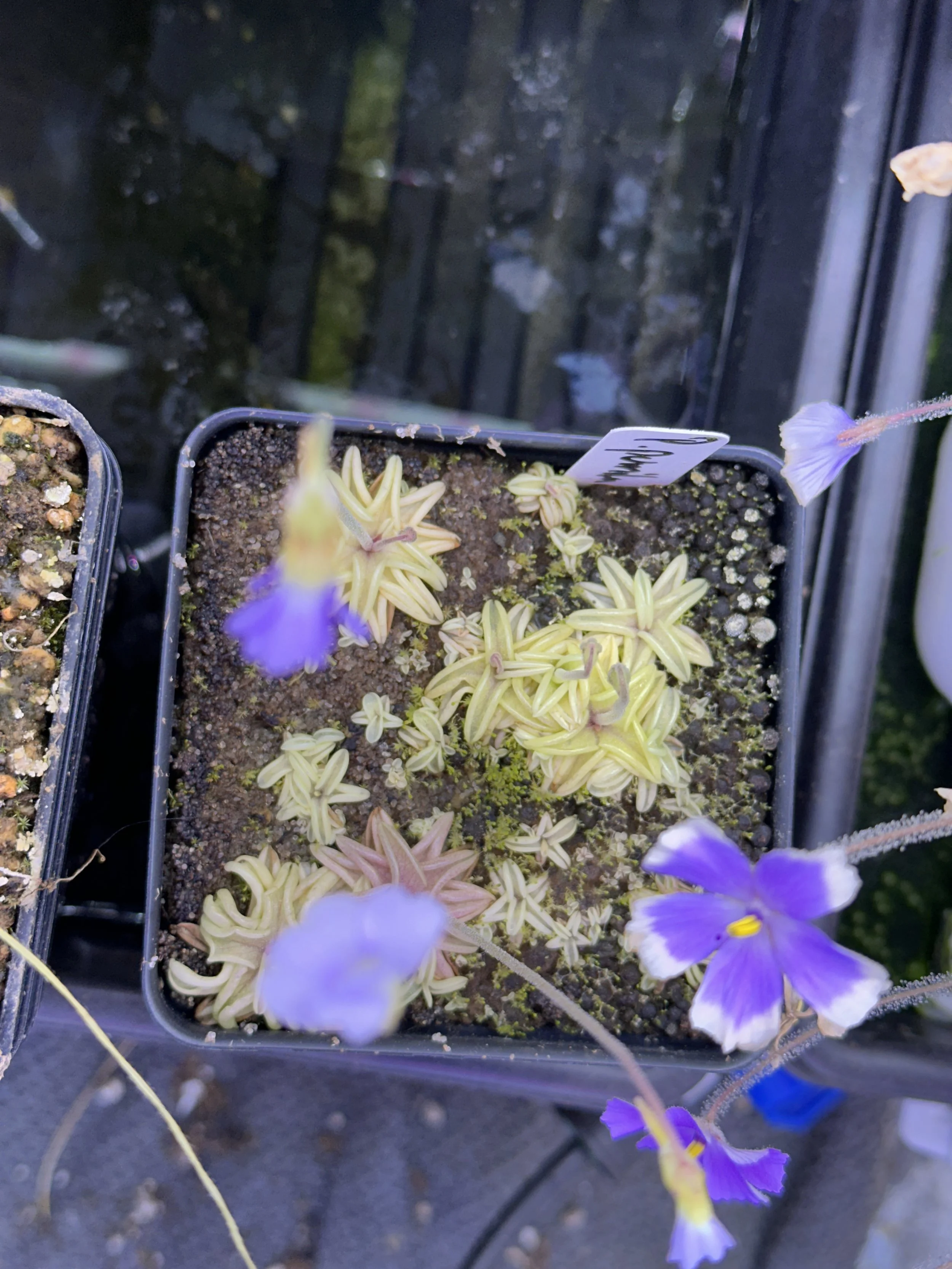
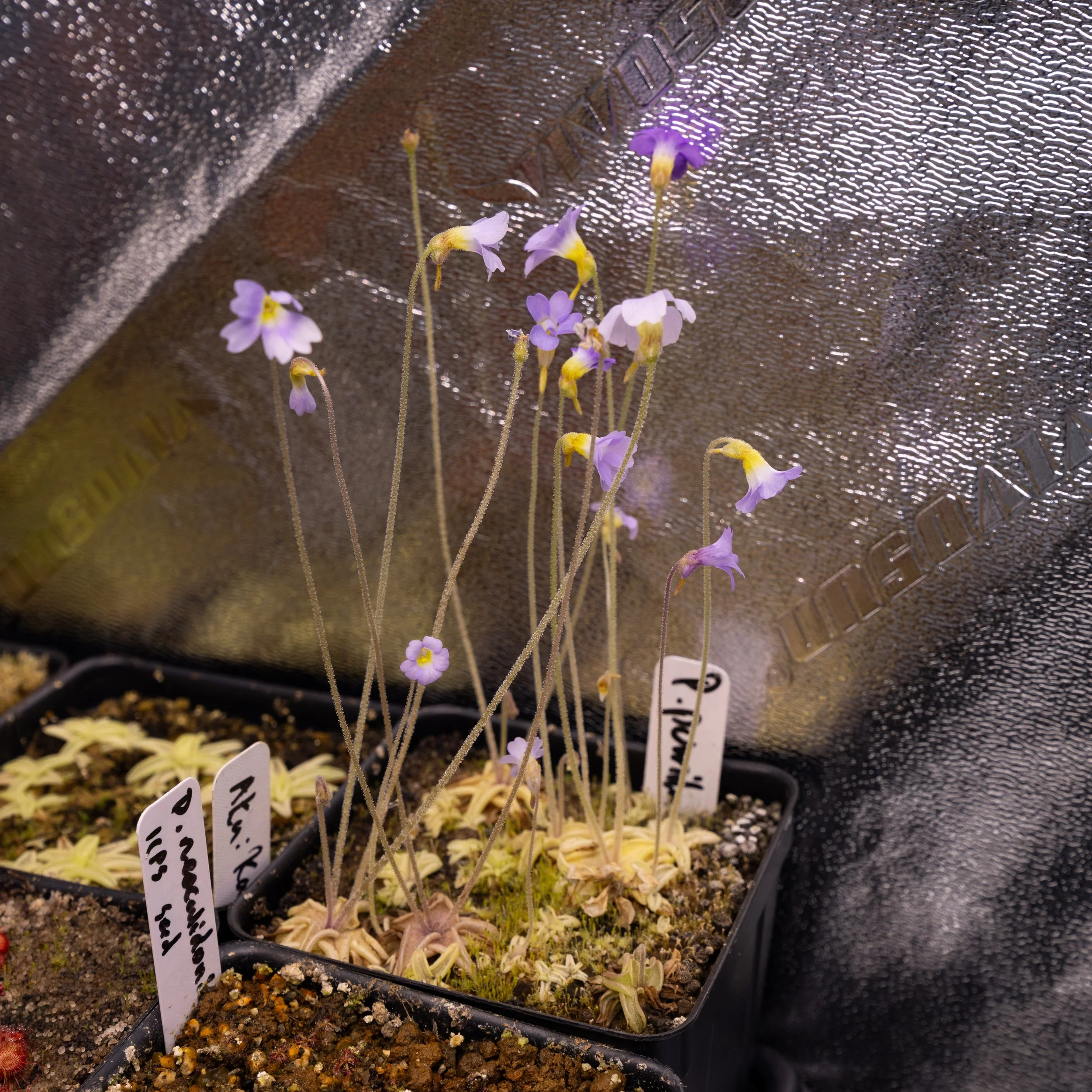
While there are only several species of Subtropical Butterworts in the US (Pinguicula lutea, Pinguicula pumila, Pinguicula ionantha, Pinguicula planifolia, Pinguicula primuliflora, Pinguicula caerulea), they have extreme variation in their flowers within species. These can be roughly grouped into 2 groups that vary in the wetness of their environment. Pinguicula planifolia, primuliflora, and ionantha grow in extremely wet, soggy habitats, sometimes temporarily underwater. They do well in cultivation in very soggy, waterlogged media. The other species — Pinguicula lutea, caerulea, pumila — prefer well-draining soils and occupy a niche above the water typically in sandy, grassy habitat. These are prone to rot when kept too wet and prefer well-drained, moist media.
Cultivation:
Light: Moderate Light - give them a bit of dappled sunlight or lots of bright, indirect light or at least 15W per square foot of LED grow lights. Overexposure to too much direct sun can sunburn the leaves if not acclimated. P. planifolia can be grown in direct sun and will turn a deep red color. The other species seem to prefer some shade.
Water: Water using the tray method with a high water table for the wet species and a lower water table for the drier species. The water line can go basically to the soil surface for the wet species. Keep the water at least ~3” below the surface for the other species.
Climate: Temperatures between 40-95F are best. They should be able to take a light frost and can take significant heat in the summer. Most prefer to have at least moderate humidity.
Soil: They do not seem to be too picky about media as long as moisture levels are maintained. Pure sphagnum moss works well for most species. A very soggy, sludgey mix of peat and sand works for the wetter species (or even pure, washed peat moss). The drier species prefer good drainage such as a mix of peat with at least 50% sand/perlite.
Feeding: Feed them by lightly spraying the leaves with dilute MaxSea or very light dusting of Bog Dust (insect powder) every few weeks. Some light root fertilization can probably work as well.
Notes:
I find the drier species can be prone to rot if kept too wet. The wet species will slowly decline when kept too dry.
Some species can be self-pollinated by hand to produce seed. They can act as short-lived perennials so be sure to pollinate and collect seed to keep them going.
They are not easily propagated except by seed. The one exception is Pinguicula primuliflora which will prolifically produce plantlets at the tips of its leaves when the soil is moist. This odd adaptation can lead to dense colonies of plants.
More Information:
https://www.carnivorousplants.org/grow/guides/WarmTempPinguicula
